A $1 minimum deposit casino in Australia: what you can actually choose between
 Available in US
Data current as of 23 September 2026 · cross-checked against the ACMA’s public register of formal warnings and blocked-site notices.
The phrase “$1 minimum deposit casino Australia” promises the most affordable way onto an online pokie. The promise doesn’t survive contact with Australian law. No state or territory issues a licence for online casino games, no operator displaying a Curacao or Malta badge changes that, and the ACMA has spent the last several years methodically warning the ones that target Australian customers. So the comparison the rest of this page runs isn’t between eleven good options. It’s between eleven offshore brands that the ACMA has already told to stop, framed against a legal onshore alternative that does not and cannot offer a $1 minimum. Reading both halves is the only way to know what the dollar amount on the landing page actually buys.
- How offshore casinos with a $1 minimum reach Australian players
- Settlements and small deposits: how Australian payments actually flow
- The blocking rate, and what it has done to the offshore shelf
- Eleven offshore brands, in the order the ACMA first named them
- The legal, onshore alternative: clubs, pubs and casinos in person
- Responsible play, in a market where the offshore side answers to no one
- Tax and winnings for an Australian player
- Reading the offer on an offshore landing page
- Why the comparison ends without a recommendation
- Frequently asked questions
How offshore casinos with a $1 minimum reach Australian players
The cheapest advertised minimum on an offshore casino is rarely a bank transfer. Real-money pokies spin at twenty cents and up, but the deposit rail itself is where operators meet their $1 promise. Bitcoin, Litecoin, Ethereum and USDT are the deposit rails those sites reach for, because the per-transaction fee on a card processor makes a one-dollar load uneconomic to accept. That choice also puts the deposit outside any system an Australian bank can monitor or refuse under the Interactive Gambling Act’s 2024 ban on credit-related products, which is one reason offshore operators lean on it so heavily.

A $1 deposit on those rails is technically possible. What’s not possible is for that deposit to land at an Australian-licensed casino, because there is no such thing. The Interactive Gambling Act 2001, strengthened in 2017, makes it an offence to provide online casino games or online pokies to anyone in Australia. State and territory regimes have not licensed online casino play alongside the prohibition, so the only places a $1 deposit actually goes are the offshore operators the ACMA has been warning since at least 2022 and, in increasing volume, asking ISPs to block. The dollar figure is real; the legal footing under it is not.
The second thing the small minimum hides is the wagering attached to any bonus it accompanies. Welcome packages sized in thousands of dollars frequently carry forty-to-fifty-times wagering on the deposit plus bonus, a max-bet cap of around five to ten dollars per spin during playthrough, and withdrawal caps that ceiling the bonus value itself. None of that materialises in the headline figure. It does materialise once the player tries to withdraw, and at that point the operator is offshore, the bonus terms are in the terms page the player clicked through, and there is no Australian complaints body to complain to.
Settlements and small deposits: how Australian payments actually flow
The settlement story this page would tell, if there were an Australian site accepting $1, runs through the New Payments Platform. NPP went live in February 2018 and is run by Australian Payments Plus, the same not-for-profit that operates Osko instant transfers and PayID. Its standards are tight: monthly platform outages of no more than two minutes, settlement inside sixty seconds for any transfer between the 100-plus participating institutions, and PayID display names that show who you’re about to pay before you authorise it.
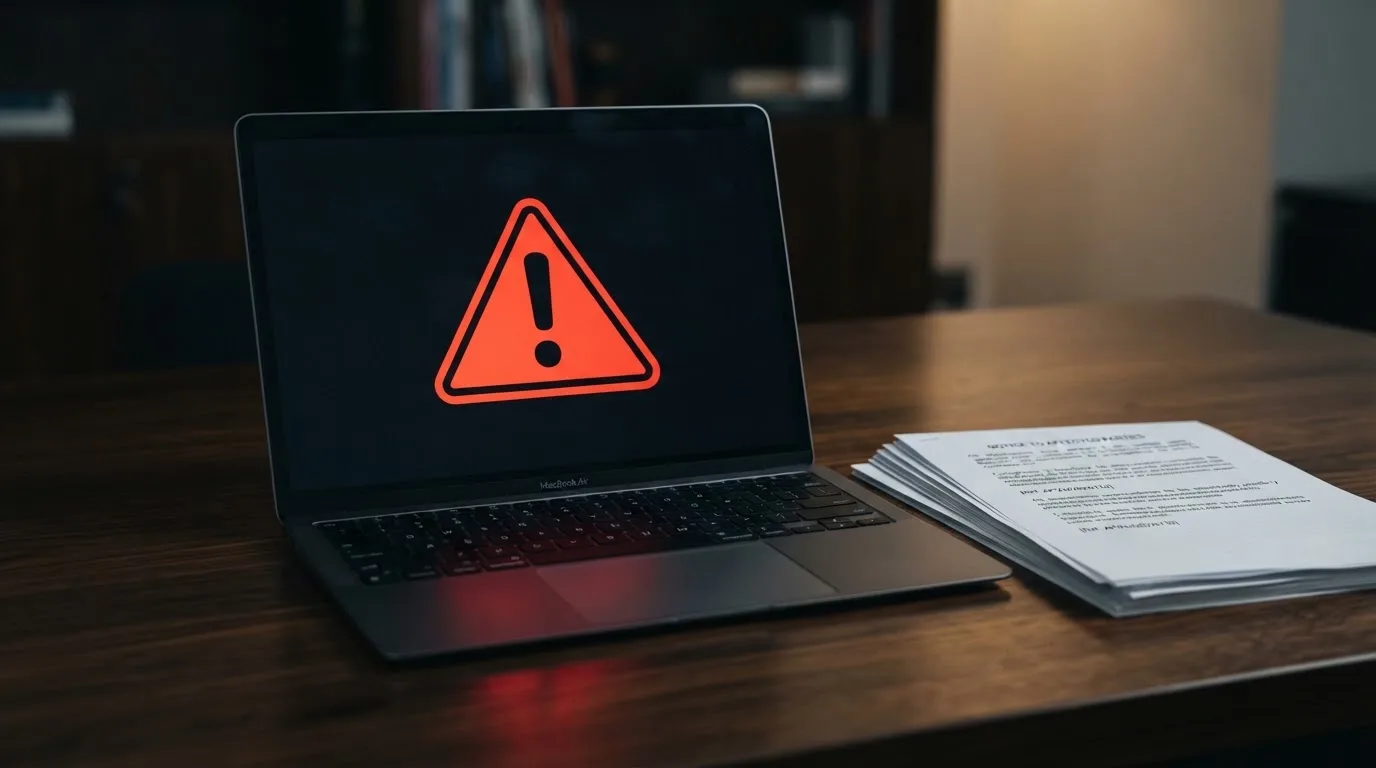
For a one-dollar load, that infrastructure is overkill in the best sense. Osko would clear the funds in under a minute, twenty-four hours a day, weekends included, addressed either to a BSB-and-account-number or to a PayID. By April 2025 more than 25 million PayIDs had been registered against Australian accounts, and the display-name prompt is now a routine part of the confirmation screen. A$10,000 is the AUSTRAC threshold for a cash transaction report — but ordinary electronic transfers of any size, including a one-dollar one, do not cross that line. There is no paperwork the bank files, and no flag it raises for a transfer well under a cent of processing cost.
Where this picture breaks is at the receiving end. Australian banks will not route an Osko transfer to an overseas gambling merchant, because the merchant does not hold an Australian account and the bank’s own gambling blocks would refuse the authorisation regardless. Westpac’s card-level block refuses anything tagged with the merchant category code “Betting/Casino Gambling” on eligible personal credit and debit cards. ANZ’s gambling block, toggled inside the ANZ app, covers Apple Pay and other digital wallets on the underlying card, not just the card itself, and turning it back off costs the customer a 48-hour cooling-off period. Commonwealth Bank’s gambling lock sits alongside credit-card block and limit functions inside the CommBank app. None of these blocks know which dollar amount was sent; they key off the merchant category the recipient carries. A PayID pointing at “BusinessName Pty Ltd” rather than at a person is itself the kind of display name that, paired with a gambling-adjacent domain, the PayID system warns is almost certainly a scam.
So the rail works perfectly. It just doesn’t arrive.
The blocking rate, and what it has done to the offshore shelf
The reason offshore operators rotate domain names every quarter isn’t marketing. It’s the ACMA’s enforcement pace. The first blocking request the ACMA filed with Australian ISPs went in November 2019; by mid-2026 the running total of blocked illegal gambling and affiliate marketing sites had reached 1,751, and more than 230 unlicensed services had withdrawn from the Australian market entirely since 2017. That works out to roughly 250 blocking requests a year over the seven-year window, or about five a week. The most recent round, reported on 26 June 2026, added twelve more names: 7Signs, ChromaBet, Donbet, Duospin, Freshbet, Slots Gem, Jacks Club, Lucky Start, Pointsbetz, Spinrise, Vinyl Casino and Wildsino.
At that pace, a brand operating today can reasonably expect a formal warning within the year and a blocking request within two. The formal warnings travel through named operators, which is why a comparison of offshore brands is a comparison of warning letters as much as of products. The ACMA’s pace matters because the dollar amount on a deposit screen is set in advance, by the operator, for the player; the legal status of the deposit screen is set in arrears, by the regulator. The two figures drift toward each other only after the warning has already been issued.
The estimated cost of the offshore shelf to Australians, taken from H2 Gambling Capital’s 2025 industry report, is around A$3.9 billion a year. The same report puts the share of gambling going through legal Australian channels at 64% in 2025, down from 74% in 2021. The dollar figure and the legal-channel share move in opposite directions: more money is leaving licensed channels for unlicensed ones, and the ACMA is closing the gap by blocking roughly the number of sites the unlicensed side is opening.
Eleven offshore brands, in the order the ACMA first named them
The eleven operators below are the brands the ACMA has issued formal warnings over since 2022. None of them is licensed to offer online casino games to Australians; the ACMA’s warning letter is the regulator’s notice that they have nonetheless tried. The table carries the regulator’s own framing — operator name, date of warning, what the ACMA action covers — and the column for payment-method support stays empty unless the operator’s own listings page names Australian-compatible rails, because support described only by affiliate marketing pages can’t be carried as fact.
| Brand | ACMA action and date | Operator named by the ACMA | Subject support |
|---|---|---|---|
| RocketPlay | Formal warning, March 2026 (Pulsup Ltd); earlier Dama N.V. warning, May 2022 | Pulsup Ltd (Rocketplay) | Listings-only |
| Level Up Casino | Formal warning, May 2022 | Dama N.V. | Listings-only |
| Woo Casino | Formal warning, March 2025 | Dama N.V. | — |
| Spirit Casino | Formal warning, May 2025 | Dama N.V. | — |
| National Casino | Formal warning, July 2025 | Consolutetish S.R.L. | Listings-only |
| Bizzo Casino | Formal warning, July 2025; earlier warning, 2022 | Consolutetish S.R.L. (2025); TechSolutions (2022) | Listings-only |
| Ignition Casino | Formal warning, July 2025 | Bamboo Media | — |
| Instant Casino | Formal warning, February 2025 | EOD Code SRL | Listings-only |
| Jackbit | Formal warning, April 2026 | Ryker B.V. | — |
| Casino Intense | Formal warning, April 2025 | Sterplay Holding Ltd | Listings-only |
| Sky Crown | Formal warning, September 2022 | Hollycorn N.V. | — |
Reading the table column by column gives three different views of the same shelf. The ACMA-action column traces the regulator’s escalation: 2022 warnings concentrated on early entrants, 2025 warnings shifted to the operator-companies that owned clusters of brands (Dama N.V. alone appears in three rows), and 2026 warnings picked up the new crypto-first names. The operator column shows how few unique companies sit behind eleven brands: four parent groups cover eight of them, and the brand is the marketing layer the operator rotates to dodge blocking requests. The subject-support column carries the only honest answer the page can give — that the deposit rails named by affiliate listings may or may not still work, because no Australian-side confirmation exists for any of them.
The list also illustrates why “the best $1 deposit casino” is not a real question in Australia. The minimum deposit amount is the first number the operator sets; the regulatory status is the number the regulator sets second; and the player’s protection is the number the regulator cannot set, because the offshore operator is outside its reach. Eleven warning letters against eleven brands makes the point more clearly than one would.
RocketPlay — warned twice, from two different operators
RocketPlay is the only brand on this list that has attracted ACMA action from two separate operator-entities. The first warning went to Dama N.V. in May 2022. The second, in March 2026, named Pulsup Ltd as the entity behind Rocketplay. Each warning is a separate letter under the Interactive Gambling Act 2001, against a different corporate vehicle for what is, at the customer end, the same casino. The pattern is the most efficient tell of how the offshore shelf works: when an ACMA warning makes a brand expensive to operate, the operator-company behind it shuts down the relevant Australian-facing site and reopens under a new letterhead, with the same games library and a new domain. The player sees a new licence badge; the regulator sees the same player pool.
For a player comparing RocketPlay against the rest of the table, the second warning is the one that matters. The first warning was years ago, against a different parent; the second is current, against the parent currently operating it. The deposit rail the listings page shows — typically a Bitcoin or USDT minimum — sits alongside the warning, and nothing on the operator’s own pages addresses the warning’s existence.
Level Up Casino — the 2022 cohort
Dama N.V. picked up formal warnings for Level Up alongside five other brands in May 2022: Bambet, Dazard, Rocketplay (its first warning), Wild Tornado and Cobra Casinos. The batch warning is itself a piece of evidence. The ACMA’s enforcement logic is to find the operator-company behind a cluster of brands and warn it once for the whole cluster, because each brand is the same product under a different logo. Level Up is one of six from that single letter, which is also the parent that owns RocketPlay’s first incarnation.
The lesson is structural rather than brand-specific. Level Up as a customer-facing proposition is what its affiliate pages describe; what the regulator has on file is a single letter covering six brands owned by one company. Players who see all six on a comparison list are looking at one operator’s portfolio.
Woo Casino and Spirit Casino — the 2025 Dama N.V. follow-up
Dama N.V. picked up two further warnings in 2025: Woo Casino in March, Spirit Casino in May. Woo Casino had been operating under that brand since before the 2022 batch; Spirit Casino is the newer entry. The pattern of repeated Dama N.V. warnings, two years apart, is the regulator’s way of saying the first letter was not acted on. The Dama N.V. operator-entity is one of the larger holders of offshore casino licences; its brand portfolio is wide enough that the warnings appear to have moved the company to spin up new operator-entities for newer brands, while older brands remain under Dama N.V. and continue to be warned.
For a player, the operator-side detail matters more than the brand name. The Dama N.V. letter has now been sent three times, across three years, for what is functionally the same product line. The implication is not that Woo Casino is “more illegal” than Spirit Casino; it is that the corporate decision to keep targeting Australians has been formally put to the same operator three times.
National Casino and Bizzo Casino — same parent, different warnings
National Casino and Bizzo Casino both sit under Consolutetish S.R.L., which received a formal warning for both in July 2025. Bizzo Casino had already been the subject of a 2022 warning issued to TechSolutions (CY) Group Limited and TechSolutions Group N.V., a separate corporate structure that has since transferred the brand. The “two operators, one brand” pattern shows up here in reverse: Bizzo was warned as one operator, then again as another, while National Casino joins the family fresh.
The Consolutetish S.R.L. letter is the most recent batch warning for this operator family and the most useful one for a comparison: it covers both brands in the same regulatory action, which means the ACMA is treating them as a single enforcement target even though the customer sees two separate brands.
Ignition Casino — a single-name, single-warning case
Ignition Casino, owned by Bamboo Media, received its formal warning in July 2025. It is one of the simpler cases on the list: a single brand, a single operator, a single warning. There is no earlier history to point to, no parent-company thread to follow, no second operator-entity. The deposit rail Ignition lists is described by affiliate marketing pages that name crypto and a handful of e-wallets; the ACMA’s warning makes no statement about deposit method, and the operator’s own terms page is the only place a player could verify which rails still work.
Instant Casino — the early 2025 warning
EOD Code SRL received a formal warning over Instant Casino in February 2025, the earliest 2025 entry on the table. The brand name — generic to the point of being a category description rather than a brand — is itself worth noting. “Instant Casino” is the kind of name an offshore operator chooses precisely because it sounds like a payment-rail descriptor, and the ACMA warning is what tells you which one it is. The e-wallets the listings pages associate with this brand (ecoPayz, PayID) are themselves mixed signals: PayID is an Australian instant-payment system and does not operate offshore, while ecoPayz operates under various names depending on jurisdiction. A player who saw PayID on Instant Casino’s deposit page has seen a brand making claims the rail itself does not support.
Jackbit — the most recent crypto-first warning
Ryker B.V. received a formal warning in April 2026 covering Jackbit and CasinOK. Jackbit is the rarer case on this list of a brand positioning itself almost entirely on cryptocurrency rails rather than cards, and the ACMA’s warning predates the brand’s wider rollout. For a player comparing deposit rails, Jackbit sits at the end of a category: the Bitcoin, Litecoin, Ethereum and USDT minimums the affiliate listings describe are the only rails a player can plausibly use, and they are also the rails an Australian bank has the least visibility into.
Casino Intense — the 2025 mid-tier entry
Sterplay Holding Ltd drew a formal warning over Casino Intense in April 2025. Casino Intense is the kind of brand that sits in the middle of the offshore shelf: not large enough to be a household name, not small enough to have avoided regulator attention. The AUSTRAC and BetStop references that show up in the listings-only column for this brand are themselves informative. AUSTRAC is the Australian Transaction Reports and Analysis Centre; BetStop is the National Self-Exclusion Register. Neither has jurisdiction over an offshore casino. The fact that the listings pages reference both organisations is a marketing claim, not a compliance fact.
Sky Crown — the 2022 Hollycorn batch
Hollycorn N.V. was issued a formal warning for Sky Crown and Blue Leo in September 2022. Hollycorn runs a wider portfolio than Dama N.V. or the other operators on this list; Sky Crown is one of several Hollycorn brands. The 2022 warning is older than most on this list, which means the brand has had more time to evolve under the regulator’s eye. It has also had more time to cycle through deposit rails, game providers and bonus structures, all of which a player would have to read the current terms page to verify.
The legal, onshore alternative: clubs, pubs and casinos in person
What Australia does license is gambling in person at licensed venues. Each state and territory runs its own regime: pubs and clubs hold gaming-machine entitlements for poker machines, known locally as pokies, and the larger casinos operate table games under separate licences. The minimum age is 18. The legal-pokies industry is the one H2 Gambling Capital’s 2025 report counts in its 64% legal-channel share, and the dollar flow there is largely cash, eftpos and on-site debit.
The reason this is the alternative to a $1 deposit online casino is not that it offers a $1 stake. It doesn’t, and venue operators do not. It is that everything else about the arrangement is regulated: the machines’ return-to-player is published and audited, the venue has a complaints process to an independent state body, problem-gambling help is funded by a hypothecated levy on gaming revenue, and self-exclusion is portable between venues through state registers. The dollar figure on the front of a venue’s poker machine is not the comparable figure to the dollar figure on an offshore casino’s deposit page; the whole surrounding machinery is.
Responsible play, in a market where the offshore side answers to no one
The Australian offshore-shelf market has no consumer-protection backstop. If an offshore operator refuses a withdrawal, vanishes a player account or changes terms after a deposit, the player’s only recourse is the operator’s own customer service and, ultimately, the regulator in the licence jurisdiction — Curaçao, Anjouan, the Philippines in older cases. None of those has a track record of returning player funds from a closed site. The 14 banks’ gambling blocks, the ACMA’s blocking requests, and the major card networks’ own gambling MCC rules are the practical limits an Australian player faces, not an arbitration service that will return lost money.
The two Australian-side support services that apply regardless of where the play happens are the National Gambling Helpline (1800 858 858, free, 24/7) and Gambling Help Online’s chat service. BetStop, the National Self-Exclusion Register, has been live since August 2023 and binds Australian-licensed online and phone wagering services, which an offshore casino is not. That means a BetStop registration excludes a player from licensed sports and race wagering but does not reach an offshore casino’s sign-up form, and any operator that claims to be “connected to BetStop” is making a marketing claim rather than reporting a compliance fact. Self-exclusion from an offshore site is a request to that specific operator, not a register entry.
For someone whose gambling has moved from entertainment into something else, the path is the helpline first, then the bank block as a follow-up. ANZ’s gambling block takes 48 hours to switch off once it is on; Westpac’s sits at card level; Commonwealth Bank’s lock works inside the CommBank app. None of them know which offshore site the player was at; all of them refuse the next attempt regardless. The combination of the helpline and the bank block is what an Australian player can actually use. The offshore casino’s own responsible-gaming page is not part of that combination.
Tax and winnings for an Australian player
Recreational gambling winnings are not assessable income for an Australian player, and losses are not deductible, under section 6-5 of the Income Tax Assessment Act 1997. The rule applies regardless of whether the play was at a licensed venue, a licensed online wagering service, or an offshore casino — the income-tax treatment does not change. What does change is the paper trail: an Australian-licensed operator issues a statement that maps to the ATO’s reporting categories, while an offshore operator typically does not. A player whose winnings need to be reconciled with the ATO for any reason — a large win, a financial-disclosure question — has a cleaner path from a licensed operator than from an offshore one.
A professional gambler who carries on gambling as a business is taxed on the net result, but the ATO’s tests for “carrying on a business” are strict and apply rarely to recreational players. Anyone uncertain is the kind of person who should talk to a registered tax agent rather than rely on a casino’s marketing line about “tax-free winnings”.
Reading the offer on an offshore landing page
For the Australian player who has decided to use an offshore site anyway, the comparison the rest of the page enables runs through three numbers. The minimum deposit figure the page leads with (typically $1 to $10 for crypto, $20+ for cards) is the smallest of them. The bonus multiple — “100% up to $500 plus 200 free spins” is a representative shape — is the second, and the wagering requirement that sits beneath it, usually 40x to 50x the bonus plus deposit, is the third. The arithmetic on the third is the one that determines whether the bonus is worth taking. A $500 bonus with a 45x wagering requirement on the bonus plus the deposit means $45,000 of qualifying bets before any withdrawal, and the max-bet cap during playthrough (typically $5 to $10 per spin) sets the floor on how long that takes at around 4,500 to 9,000 spins per cleared dollar of bonus value. None of those numbers appear on the landing page; all of them appear in the terms page the landing page links to.
The max-cashout cap is the fourth number, less prominent than the bonus multiple and almost never advertised up front. A “max win” of $5,000 from a free-spin package, or $10,000 from a welcome bonus, is the kind of ceiling that turns a large bonus into a small one once the player reaches withdrawal. Bonus abuse rules, country-exclusion clauses and game-weighting tables (slots at 100%, table games at 5% to 20%) are the rest of the terms page, and a player who reads it before depositing will make a different decision than one who reads it after.
Why the comparison ends without a recommendation
The page set out to compare eleven offshore brands against one legal alternative, and the comparison lands in a single sentence: every offshore brand in the table above has been the subject of an ACMA formal warning, none is licensed to offer online casino games to Australians, and the legal alternative (licensed venues) is a different product rather than a $1 minimum online casino. The operator-by-operator write-ups above are the comparison; the table is the regulator’s own summary of the same operators; the legal-alternative section is what a $1 minimum online casino looks like when it is allowed to exist.
The choices that fall out of that picture are not “which offshore site is best”. They are: play at a licensed venue in person, where the regulatory machinery applies; do not play online for real money at all, since the licensed online offering is restricted to wagering on sport and races; or, for the player who has decided to use an offshore site regardless, treat the deposit as money that may not come back, the bonus terms as binding once accepted, and the ACMA warning as the most current piece of public information on which operator has been told to stop. The $1 minimum deposit is the same number on every landing page. The cost of that dollar is not.
Frequently asked questions
Can I actually deposit $1 at a licensed Australian online casino?
No. No state or territory in Australia licenses online casino games or online pokies, so there is no Australian-licensed operator to deposit with. The Interactive Gambling Act 2001 prohibits the supply of those games to anyone in Australia, and the ACMA enforces it by issuing formal warnings and asking ISPs to block offending sites. A $1 deposit can technically clear through Osko or PayID, but the receiving end has to be an Australian account, and no licensed casino holds one.
Why do so many sites advertise a $1 minimum deposit for Australian players?
The minimum is a marketing number designed to lower the barrier to sign-up, not a reflection of where the operator is licensed. The sites advertising it are offshore operators — typically licensed in Curaçao, Anjouan or similar — who accept Bitcoin, Litecoin, Ethereum or USDT because card processing at $1 per load is uneconomic. The ACMA has issued formal warnings over a long list of these sites, and around 250 of them are blocked by Australian ISPs each year.
How would a $1 bank transfer normally clear if it were sent through Osko?
Osko settles bank-to-bank transfers between participating Australian institutions in under a minute, 24/7, addressed either to a BSB and account number or to a PayID. AUSTRAC’s A$10,000 threshold-transaction reporting rule applies only to physical cash, so an electronic transfer of $1 — or any amount — generates no bank-side paperwork. The transfer arrives almost immediately, and the PayID screen shows who is about to be paid before the customer confirms.
Is a $1 deposit at an offshore casino covered by any Australian consumer protection?
No. The ACMA’s jurisdiction covers the supply of prohibited interactive gambling services to Australians and the blocking of sites that provide them; it does not arbitrate player disputes with offshore operators. BetStop, the National Self-Exclusion Register, binds Australian-licensed online and phone wagering services, not offshore casinos. If an offshore operator refuses a withdrawal, the player’s only recourse is the operator’s own customer service and the regulator in the operator’s licence jurisdiction, which does not have a track record of returning player funds.
What is the legal, land-based alternative to a $1 deposit online casino in Australia?
Each state and territory licenses gambling in person at hotels, clubs and casinos. Poker machines (pokies) operate under state-issued gaming-machine entitlements, table games operate under separate casino licences, and the regulatory machinery — return-to-player audits, complaints processes, problem-gambling funding through hypothecated levies, state-level self-exclusion registers — applies to those venues. The minimum age is 18. The dollar figure at the front of a pokie is not a $1 minimum, and the rest of the regulatory frame around it is the point.
Does the Interactive Gambling Act 2001 ban online casino games for people in Australia?
The Act targets the provider, not the player: it is an offence to supply online casino games or online pokies to a person physically in Australia. The 2017 amendments strengthened that prohibition and gave the ACMA its blocking powers. Australians are not prosecuted for playing, but they also receive no Australian consumer protection if the offshore site refuses a withdrawal, and the ACMA’s blocking of the site can happen with the player’s balance still on it.
Written by the editors at Casino Table Games Info.