
Apple Pay at Australian-facing casinos in 2026: the working picture
The Apple Pay button at a casino cashier looks like a shortcut. It is also the entry to a market that does not legally sell what these sites are selling, so the more useful question is what sits behind it: an offshore operator, an Australian bank that may already decline the charge, and an account balance held by an entity the ACMA has named more than once. This page works through what Apple Pay actually does at a casino that claims to take it, what it does not do, and which reader the route still suits. It does not recommend a place to play.
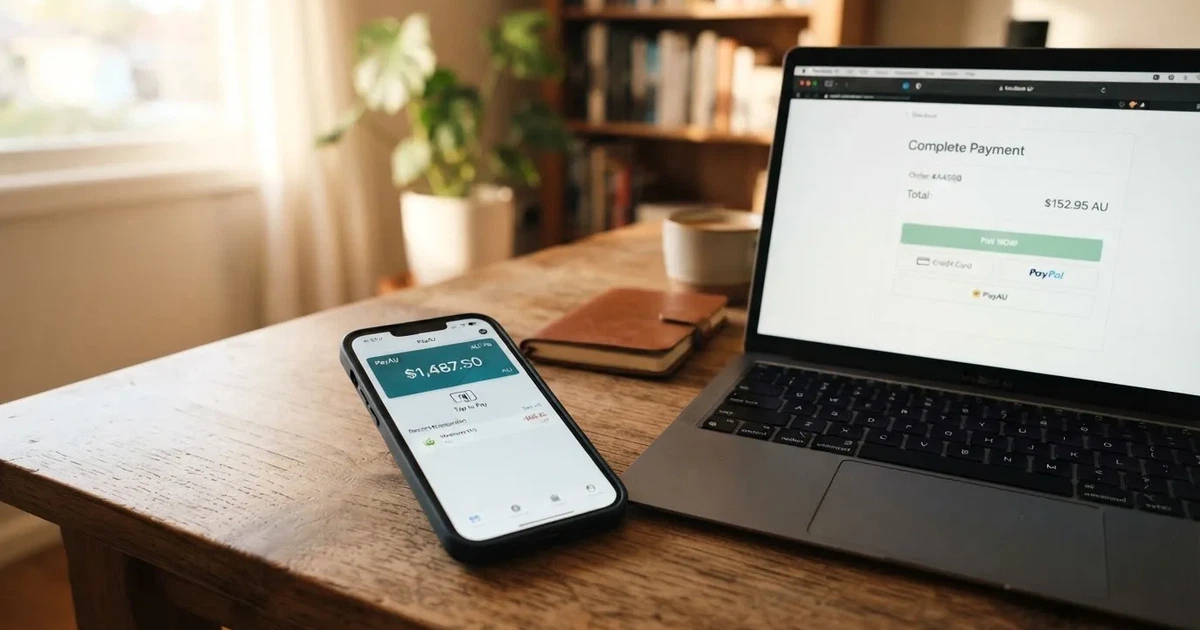
Currency stamp: current as of 29 October 2026, verified against the Australian Communications and Media Authority’s published warnings and the Reserve Bank of Australia’s payment-system data.
- How Apple Pay fits into Australian casino payments
- The legality of an Apple Pay deposit at an Australian-facing casino
- Responsible play at offshore Apple Pay casinos
- Apple Pay deposits and withdrawals: what actually happens
- How fast is the ACMA blocking the offshore Apple Pay market
- The comparison: every brand on this page has been warned
- What each operator looks like under the warning
- The broader market and the Australian exception
- What an Apple Pay casino deposit does, and does not, do for an Australian reader
- The choice the page is for
- What a reader should do before tapping deposit
- Frequently asked questions about Apple Pay casinos in Australia
How Apple Pay fits into Australian casino payments
Apple Pay is not a card. It is a tokenised front for the card on file in the wallet, and every Apple Pay transaction at a casino cashier settles through Visa, Mastercard or eftpos exactly as a tap would. Two consequences follow, and they shape everything below.
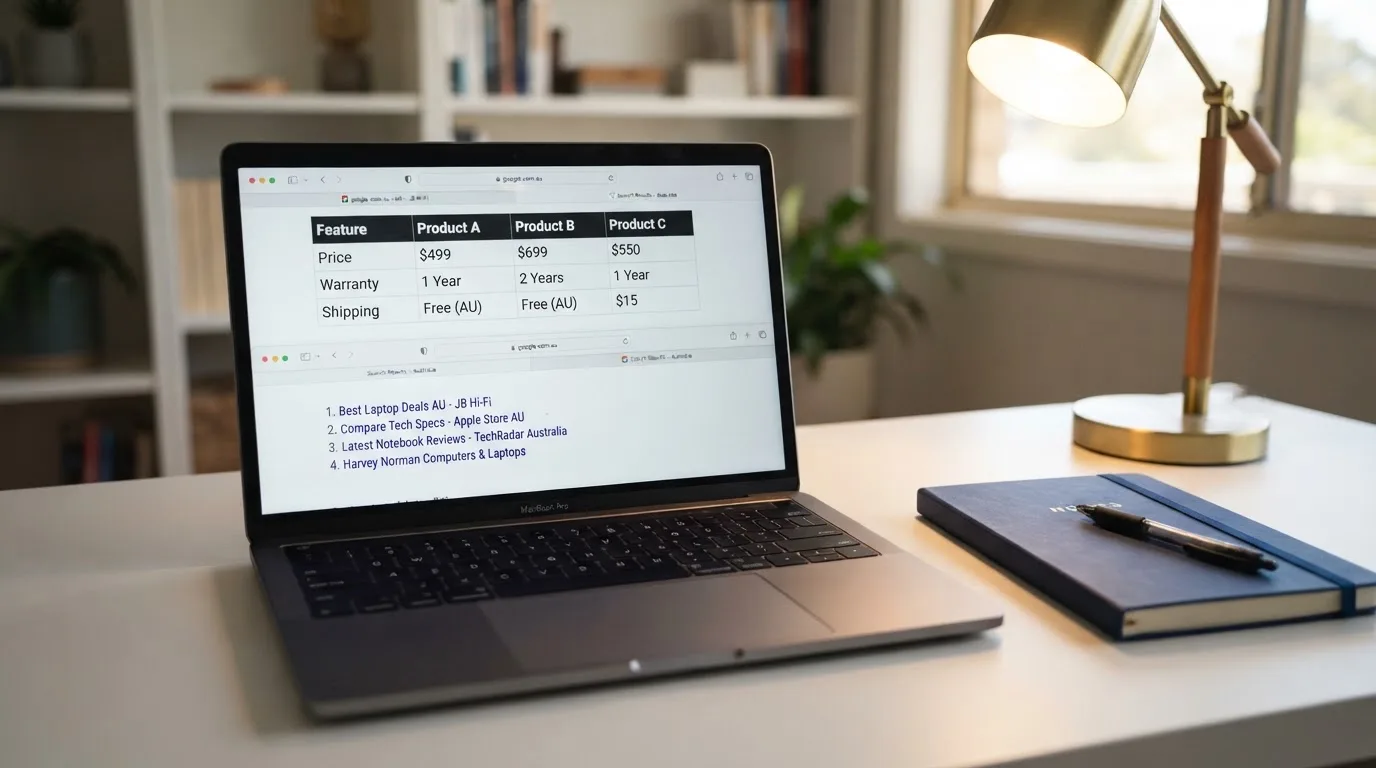
The first is that Australian card rails carry gambling controls the user can switch on. Westpac’s gambling block refuses authorisation at merchant category code level for any transaction tagged “Betting/Casino Gambling” on eligible personal credit and debit cards. ANZ’s block, set in the ANZ app, also covers digital-wallet transactions on an eligible card — Apple Pay included — not only the physical card. Commonwealth Bank lets customers apply a gambling lock to eligible cards through the CommBank app, with the same caveat both banks attach: not every gambling transaction will be blocked, and some non-gambling transactions may be blocked in error. The bank, not the casino, decides whether the Apple Pay attempt goes through.
The second is that no Australian licence authorises the offer. Under the Interactive Gambling Act 2001 as amended in 2017, providing online casino games or online pokies to a person physically in Australia is an offence; no state or territory licenses the product. A site that lists Apple Pay as a deposit method is almost certainly doing so from outside Australia, on a Curaçao or Anjouan licence, and any number it claims on its footer is not an Australian number. The Apple Pay wallet cannot tell a legal wagering service from a prohibited one — and the 2024 ban on credit cards and credit-related products as a payment method for licensed wagering does not, on its own, change that, because the ban applies to Australian-licensed services and these sites are not among them.
A reader who lands on this page from a search for “Apple Pay casino Australia” usually wants one of three things: a working deposit method, a fast payout, or a site that takes a small amount. The honest answer to all three is that the offshore market delivers them on its own terms, and that the Australian half of the picture is what limits them.
The legality of an Apple Pay deposit at an Australian-facing casino
The Interactive Gambling Act 2001 names the activity, not the payment method. It prohibits the supply of online casino games and online pokies to people in Australia, and the 2017 amendment gave the ACMA the enforcement tools it has been using since. The relevant rules for a reader sit in three layers.
At the top sits the provider. An offshore operator offering casino games or pokies to a person in Australia is supplying a prohibited interactive gambling service, and the ACMA’s response runs from formal warning to written directions to internet service providers to block the site. The block list is long. By the end of June 2026, the ACMA had asked Australian ISPs to block 1,751 illegal gambling and affiliate marketing websites since the first blocking request in November 2019, and more than 230 unlicensed gambling services had left the Australian market since enforcement was strengthened in 2017.
At the middle sits the payment. The 2024 amendment prohibits Australian-licensed online wagering services from accepting payment by credit card or other credit-related products; it does not change what an offshore site can accept, but it does mean an Apple Pay wallet funded by an Australian credit card is a payment the IGA already treats with suspicion. Apple Pay itself does not add a fee: Apple does not charge consumers for using Apple Pay in stores, online or in apps, and any surcharge comes from the merchant’s processing fees, not from Apple. Transaction limits and PIN requirements are set by the card issuer or the merchant, not by Apple. None of that turns an offshore casino into a licensed one.
At the bottom sits the player. The IGA targets the provider, not the individual. A person in Australia who deposits with Apple Pay at one of these sites is not prosecuted, but they are also outside every Australian consumer-protection channel that would normally follow a disputed transaction. There is no Australian complaints body to write to. There is no Australian regulator to escalate to. If the withdrawal is refused or the account is closed with a balance on it, the only remedy sits in the operator’s own terms and the licence it displays on its footer — which is not an Australian licence.
The 2026 reform sits over all of this. The Interactive Gambling Amendment (Gambling Reform) Bill 2026 passed Parliament on 19 August 2026; its advertising and inducement measures commence on 1 January 2027. It is law with a start date, not yet in force on a page read in 2026, and its measures target inducements and marketing rather than the supply offence itself.
Responsible play at offshore Apple Pay casinos
The Australian safety net is built for Australian-licensed services. Three pieces of it do not reach an offshore casino at all, and that is the practical reality behind any “responsible gaming” line in an Apple Pay casino review.
BetStop, the National Self-Exclusion Register, has been live since August 2023, but it binds only Australian-licensed online and phone wagering services. An offshore operator is not connected to it. A person who has registered with BetStop has not, by registering, excluded themselves from the sites named on this page, and the deposit button on those sites will still respond to a tap if the bank allows it. National Gambling Help Online, the 24/7 chat service, and the National Gambling Helpline on 1800 858 858 do reach anyone in Australia regardless of where they play, and they remain the right place to start for anyone who feels the gambling is no longer under control.
The bank-side tools do reach the wallet. ANZ’s gambling block, Westpac’s gambling block and Commonwealth Bank’s gambling lock all operate at card level, and ANZ’s wording is explicit that digital-wallet transactions through Apple Pay on an eligible card are within scope. Once ANZ’s block is on, removing it requires a 48-hour waiting period, and the bank warns that not all gambling transactions will be blocked and some non-gambling transactions may be blocked in error. The block is not perfect, and the bank’s own caveats say so.
The market figure underlines the stakes. H2 Gambling Capital’s 2025 report estimates that Australians lose about A$3.9 billion a year to illegal gambling sites, and that the share of gambling going through legal channels fell from 74% in 2021 to 64%. The number sits behind every claim of “trusted” or “safe” on a site that does not hold an Australian licence. The ACMA’s blocking regime and its formal-warning list are the closest thing Australia has to a published safety score for these operators.
Apple Pay deposits and withdrawals: what actually happens
The cashier experience at an offshore Apple Pay casino runs on three steps, and each one has a moving part that the marketing copy tends to leave out.
On deposit, the wallet asks the user to authenticate with Face ID, Touch ID or the device passcode, then routes the charge through the card on file. From the casino’s side it sees a card deposit; from the bank’s side it sees a transaction tagged with the merchant category code the casino has registered for, which is where Westpac’s and ANZ’s gambling blocks sit. A blocked attempt does not usually reach the cashier; the bank’s authorisation is what fails, and the casino’s deposit screen returns an error. The casino’s own minimum deposit, where the site advertises one, is set against the card channel and not against Apple Pay as such: A$10 is the floor most of these sites publish, and several pitch it as the headline.
On play, the Apple Pay wallet has no further role. The balance lives on the casino’s server, denominated in the casino’s currency, and any number shown in the cashier is the casino’s own running total. The wallet comes back into the picture at withdrawal.
On withdrawal, the casino’s cashier typically asks for a payout method, and here the limits of the wallet show up. Apple Pay at most of these operators is a deposit rail, not a payout rail; the site will still need to settle the withdrawal back to a bank account, a card or an e-wallet on its own list. The casino’s own manual checks — identity, source of funds, bonus-wagering completion — have to clear before any settlement lands, and that is where the “fast payout” promise either does or does not survive contact with the site. Australian bank rails are quick on the receiving end. Osko, the instant-payments service that runs on Australia’s New Payments Platform, settles between participating banks in under a minute, 24/7 including weekends, whether addressed to a BSB and account number or to a PayID. Over 100 Australian financial institutions are PayID-enabled, and more than 25 million PayID identifiers had been registered on the platform as of April 2025. The wallet is not what makes the payout fast; the receiving rail is, and the casino’s own processing time is what sets the ceiling.
Two safety rails on the receiving end are worth knowing before a deposit goes out. PayID shows the name registered to the account before the transfer is sent, and AP+ warns that being asked to transfer money to a PayID on an illegal gambling site almost certainly means a scam site. AUSTRAC’s threshold-transaction-report rule requires reporting of physical-cash transfers of A$10,000 or more; ordinary electronic bank transfers are not subject to that per-transaction reporting rule regardless of the amount, so a PayID or Osko deposit does not trigger it on its own.
How fast is the ACMA blocking the offshore Apple Pay market
The arithmetic on the ACMA’s blocking rate belongs on this page because it is the one measure that tells a reader how the supply side is moving while they decide. The inputs are simple: 1,751 sites blocked in total, against a first blocking request dated November 2019, with the figure current as of the June 2026 reporting round.
Worked as a straight average across the full window: 1,751 sites across roughly 79 months from November 2019 to the end of June 2026 is a run rate of around 22 sites blocked per month, or about 265 per year. Worked against only the calendar year most recently closed — calendar 2025, which is the year for which the cumulative figure sits cleanly inside the published total — the comparable run rate is much higher, reflecting the acceleration of the regime over the second half of the window.
The honest band is therefore roughly 20 to 30 blocked sites per month over the lifetime of the regime, with the more recent pace running well above that average. The figure is not a prediction: a single round in June 2026 alone added 12 sites — 7Signs, ChromaBet, Donbet, Duospin, Freshbet, Slots Gem, Jacks Club, Lucky Start, Pointsbetz, Spinrise, Vinyl Casino and Wildsino — which is more than a third of the long-run monthly average in one announcement. The blocking rate is best read as a flow that the ACMA has the tools to accelerate, not as a steady metronome.
The implication for a reader is direct. The site that takes an Apple Pay deposit this month is the same kind of entity the ACMA has been blocking for the past six and a half years, and the operator set behind the cashier is not closed to enforcement just because the cashier is currently up.
The comparison: every brand on this page has been warned
The table below lists the eleven operators reviewed in this guide. None of them is licensed to supply online casino games or online pokies to a person in Australia. Every one of them has been the subject of an ACMA formal warning under the Interactive Gambling Act 2001 for offering prohibited services. The columns track the warning, the operator named by the ACMA, and whether research found any verifiable signal that the brand supports Apple Pay as a payment method; where no such signal was found, the row carries the no-data marker rather than an invented entry.
| Brand | ACMA action and date | Operator named by the ACMA | Subject support |
|---|---|---|---|
| RocketPlay | Formal warning, March 2026; earlier Dama N.V. action, May 2022 | Pulsup Ltd (Rocketplay) | — |
| Level Up Casino | Formal warning, May 2022 | Dama N.V. | listings report Apple Pay availability |
| Woo Casino | Formal warning, March 2025 | Dama N.V. | — |
| Spirit Casino | Formal warning, May 2025 | Dama N.V. | — |
| National Casino | Formal warning, July 2025 | Consolutetish S.R.L. | listings report Apple Pay availability |
| Bizzo Casino | Formal warning, July 2025; earlier 2022 warning to TechSolutions | Consolutetish S.R.L. | — |
| Ignition Casino | Formal warning, July 2025 | Bamboo Media | — |
| Instant Casino | Formal warning, February 2025 | EOD Code SRL | listings report Apple Pay availability |
| Jackbit | Formal warning, April 2026 | Ryker B.V. | — |
| Casino Intense | Formal warning, April 2025 | Sterplay Holding Ltd | listings report Apple Pay availability |
| Sky Crown | Formal warning, September 2022 | Hollycorn N.V. | — |
Three observations follow from the table. The first is that the operator set behind the cashier is not stable: the ACMA has named Dama N.V. four times across three different brands (Level Up, Woo, Spirit) and Consolutetish S.R.L. twice across two brands (National, Bizzo), which means the same corporate vehicle keeps surfacing under different front names. The second is that the warnings span six years (2022 to 2026) and the pace has not slowed: the most recent warning in the table is April 2026. The third is the subject-support column: where listings report Apple Pay availability, the report is a third-party claim and not a verified operator fact, which is why those entries are written as listings rather than as the operator’s own statement.
The columns that would normally sit in a casino comparison — bonus type, wagering multiple, payout time — are deliberately absent, because the only sources for them were affiliate marketing pages rather than the operator’s own terms, and a column built on affiliate data adds nothing a reader can rely on.
What each operator looks like under the warning
RocketPlay
The ACMA issued a formal warning to Pulsup Ltd over Rocketplay in March 2026, and an earlier warning over the brand had already gone to Dama N.V. in May 2022 under the same regulatory action that named Bambet, Dazard, Level Up, Wild Tornado and Cobra Casinos. The same operator vehicle behind the cashier, the same prohibited product on offer, and a six-month gap since the latest published enforcement step. Research found no verifiable signal that the brand supports Apple Pay at the cashier, so the wallet question is open rather than answered. The block-and-warning stack is the heaviest of any brand on this page in the most recent twelve months, and a reader weighing this site against the others is weighing a brand the ACMA named twice in four years.
Level Up Casino
The 2022 Dama N.V. warning covered Level Up alongside five other brands, and Level Up has not been named in a fresh formal warning since. The brand appears in third-party listings as a site that accepts Apple Pay, but the listing is not the operator’s own statement and the cashier may have changed since. Level Up’s profile is otherwise the standard offshore pattern: a Curaçao-licensed operation, a casino lobby built around pokies-style content, and no Australian consumer-protection channel attached to a disputed transaction. The case for the site over any other is the older, quieter warning history; the case against it is that the warning is still on the ACMA’s books and the IGA has not changed.
Woo Casino
Woo Casino picked up a fresh formal warning in March 2025, the first new action against Dama N.V. since the 2022 batch. The brand sits closer to the front of the ACMA’s recent activity than Level Up does, and the operator behind it is the same vehicle that has now been named four times across the table. No verifiable Apple Pay signal was found in research; the wallet question is open. The 2025 warning date makes Woo the third-most-recently named brand on the page, and a reader who weights the warning date heavily will land on Woo more readily than on the 2022 batch.
Spirit Casino
Spirit Casino’s warning is dated May 2025, which makes it the second-most-recent Dama N.V. action in the table and the brand that the ACMA named most recently among the Dama cluster. Research found no verifiable Apple Pay signal. The operator vehicle and the prohibited product are the same as the rest of the Dama set; what differs is the recency of the warning, which puts Spirit at the front of the queue if the ACMA escalates from a written warning to blocking.
National Casino
Consolutetish S.R.L. picked up a July 2025 warning over National Casino and Bizzo in the same announcement. The two brands share an operator and a warning date, but the underlying licence display differs, and the listing data on each runs separately. National Casino appears in third-party listings as accepting Apple Pay, again as a listing report rather than as the operator’s own claim. The IGA position is unchanged. The July 2025 warning is recent enough that the brand sits in the upper half of the recency table, and the operator vehicle has now appeared under two brand names.
Bizzo Casino
Bizzo carries the longest warning history on the page. The July 2025 Consolutetish S.R.L. warning was the second formal warning tied to Bizzo Casino since 2022 — the earlier one was issued to TechSolutions (CY) Group Limited and TechSolutions Group N.V. — so the same brand has been named under two different corporate vehicles in less than three years. No verifiable Apple Pay signal was found. The two-warning history is the headline number for this brand: a site that the ACMA has returned to within a regulatory cycle.
Ignition Casino
Bamboo Media received the July 2025 warning over Ignition Casino, the only brand named in that announcement. The operator vehicle is fresh to the warning list, and the warning itself is recent. No verifiable Apple Pay signal was found. Ignition’s profile reads as the same offshore-pokies template as the rest of the table, with the ACMA’s July 2025 warning as the most recent published action and no earlier action on record for the same brand.
Instant Casino
EOD Code SRL was warned over Instant Casino in February 2025, and the brand appears in third-party listings as accepting Apple Pay alongside a PayID deposit option. The combination is worth flagging for a reader who arrived on the page thinking the wallet is the only route: a PayID deposit is an Osko transfer between Australian bank accounts, which means an Australian-resident deposit to an offshore casino through the domestic instant-payments rail rather than through the wallet. The IGA position is unchanged.
Jackbit
Ryker B.V. picked up a formal warning over Jackbit and CasinOK in April 2026, the most recent action on the table. The two brands share an operator and a date, and the warning is recent enough that Jackbit sits at the top of the recency column. No verifiable Apple Pay signal was found. A reader who reads the table in date order will land on Jackbit first, and the recency of the warning is the figure that explains why.
Casino Intense
Sterplay Holding Ltd was warned over Casino Intense in April 2025. The brand appears in third-party listings as accepting Apple Pay alongside BPAY and several Australian-bank references in research; the listing data is third-party rather than operator-published. Casino Intense’s warning date sits in the middle of the table — older than the 2026 actions, newer than the 2022 batch — and the operator vehicle has appeared only once in the published warnings.
Sky Crown
Sky Crown carries the oldest warning on the table: Hollycorn N.V. was named over Sky Crown and Blue Leo in a warning published in September 2022. No later action has been published against the brand in research, and no verifiable Apple Pay signal was found. The 2022 date is both Sky Crown’s liability and its distinction: it is the longest-running warning on the page and the only one without a more recent escalation, which a reader can read either way.
The broader market and the Australian exception
The offshore Apple Pay casino market that a reader meets through a search is the visible slice of a much larger grey market. The Australian licensed alternative for the product is small on purpose. The Northern Territory Racing and Wagering Commission (NTRWC) regulates 52 of Australia’s online bookmakers — Sportsbet, Bet365 and Ladbrokes among them — and the licence is a tax-residence choice rather than a product licence: these are wagering services licensed for sports and racing, not online casino games. The commission has no full-time staff and meets once a month in Darwin. The product an Apple Pay casino review is asking about — online casino games, online pokies — is not licensed anywhere in Australia.
The legal deposit routes for an Australian-licensed wagering service are debit card, bank transfer, PayID/Osko and BPAY. The 2024 ban on credit cards and credit-related products as a payment method for licensed wagering takes the credit-funded Apple Pay wallet off the table for any licensed operator, with penalties of up to A$247,500 for the operator. A licensed wagering service that surfaces an Apple Pay deposit button funded by a credit card is not compliant with the IGA as it stands; an offshore casino is outside that compliance regime entirely.
The other piece worth knowing is what the receiving end looks like. American Express, which surfaces occasionally in casino cashier lists, sits outside the Reserve Bank of Australia’s July 2025 surcharge-ban proposal, which proposes removing surcharges only on eftpos, Mastercard and Visa transactions. Amex itself has a different network structure: a three-party scheme where the issuer also processes the transaction, which is why it is treated differently in regulatory cost reviews. The point for a reader is that an Amex-funded Apple Pay deposit at an offshore casino runs on a rail the RBA is not currently proposing to standardise, and that is one more variable the cashier copy usually leaves out.
The final layer is tax. Gambling winnings of a recreational player are not assessable income under section 6-5 of the ITAA 1997, and losses are not deductible. The position changes if the person carries on a business of gambling, which is a much narrower category than it sounds and a question for the ATO rather than for this page. The headline is that an Apple Pay win at an offshore casino does not, on its own, create an Australian tax obligation, and a reader who has heard otherwise is hearing a misreading of the rule.
What an Apple Pay casino deposit does, and does not, do for an Australian reader
The wallet moves three things and blocks none of them.
It moves the deposit step. The cashier’s Apple Pay button is faster than typing a card number, and the biometric confirmation is shorter than a 3-D Secure challenge. For a reader with a debit card on file in the wallet, the deposit path is the shortest one the casino offers.
It does not move the legal position. The IGA makes the supply of online casino games and online pokies to a person in Australia an offence, and the supplier is the entity the ACMA names. The wallet changes the deposit step; it does not change who is supplying the product.
It does not move the bank’s position. The gambling block at Westpac, ANZ and Commonwealth Bank operates at card level, and ANZ’s wording covers digital-wallet transactions through Apple Pay on an eligible card. The bank, not the wallet, decides whether the merchant category code the casino has registered will pass authorisation, and a blocked attempt will usually fail before the casino’s cashier sees it.
The result is that an Apple Pay casino deposit is fast on the device, conditional on the bank, and unconditional on the law. The Australian reader who lands on the page because they want a working deposit method has a working deposit method. The Australian reader who lands because they want a regulated one does not.
The choice the page is for
The angle of this page is choice — what routes an Australian reader actually has, and which one each route suits.
The licensed route is small. Online casino games and online pokies are not licensed anywhere in Australia. The licensed wagering services that do take Australian deposits — Sportsbet, Bet365, Ladbrokes and the rest of the NTRWC’s 52 — do so for racing and sport, not for casino product. BetStop is reachable through any of them, and a registered exclusion does what it says. For a reader who wants the Australian safety net, the licensed wagering route is the only one that offers it, and the product on offer is narrower than the search implies.
The offshore Apple Pay route is wide and unregulated. The cashier button works, the deposit minimum is low, and the brand set is large enough to rotate through. The Australian safety net does not apply, the ACMA’s enforcement is the closest thing to a public scorecard, and the bank’s own block may already sit between the wallet and the merchant. For a reader who has decided the offshore route is where they are playing, the practical questions are the bank block, the casino’s own manual checks on withdrawal, and the recency of the ACMA’s published actions against the brand.
The payment-engineering route is the third one. PayID, Osko and BPAY are the Australian rails that an offshore casino may list alongside Apple Pay, and they reach the casino through Australian bank accounts rather than through the wallet. The receiving end of a PayID transfer is fast, and the name check before the transfer is sent is a safety feature the wallet does not have. For a reader who is going to deposit at an offshore site and wants the Australian rail on the receiving end of any refund, PayID is the stronger option and Apple Pay is the faster button.
The page does not pick. It does not advertise a brand, it does not carry a bonus code, and it does not recommend a place to play. It sets out the three routes, names what each costs the reader, and lets the choice follow from the reader’s own weight on the Australian safety net, the speed of the cashier, and the recency of the ACMA’s published actions.
What a reader should do before tapping deposit
Four checks sit between the Apple Pay button and the merchant, and a reader can run all four in the time it takes the wallet to load.
First, check the bank’s block setting. ANZ, Westpac and Commonwealth Bank all expose a gambling block or lock in their respective apps, and each bank’s terms carry the same caveat: not every gambling transaction will be blocked, and some non-gambling transactions may be blocked in error. The block is not perfect; it is the only Australian-side tool that operates at the card level and reaches the wallet.
Second, check the ACMA’s warning list. The regulator publishes formal warnings on its website, and the eleven brands on this page are the ones the ACMA has named at least once. A brand that does not appear in the published warnings is not endorsed by the ACMA, but a brand that does appear has at least one published action against it, and the date of that action is the recency column in the table above.
Third, check the casino’s payout path. Apple Pay at most of these sites is a deposit rail, and the cashier will route a withdrawal to a bank account, card or e-wallet on the casino’s own list. The processing time on that route is set by the casino, not by the wallet, and it is the figure that decides whether a “fast payout” promise survives the manual checks.
Fourth, check the receiving rail. PayID shows the name registered to the account before the transfer is sent, and AP+ warns that being asked to transfer money to a PayID on an illegal gambling site almost certainly means a scam site. The name check is the one safety feature that operates at the moment of payment, and it is the one the wallet does not offer.
Frequently asked questions about Apple Pay casinos in Australia
Is it legal for an online casino to accept Apple Pay from a player in Australia?
No online casino may lawfully take Australian players at all. The Interactive Gambling Act 2001 prohibits the supply of online casino games and online pokies to people in Australia, and the ACMA enforces it through formal warnings and ISP blocking. Apple Pay changes the deposit step, not the legal position.
What is the smallest Apple Pay deposit most casino sites ask for?
The published minimum at most offshore sites that accept Apple Pay is A$10, set against the card channel rather than against Apple Pay as a wallet. The figure is the cashier’s own minimum and can change; the wallet does not impose a separate floor.
Does an Apple Pay withdrawal clear faster than a card withdrawal?
Apple Pay is usually a deposit rail only at offshore sites, and the casino routes the withdrawal back to a bank account, card or e-wallet on its own list. Australian receiving rails (PayID, Osko) settle in under a minute once released; the processing time that actually sets the ceiling is the casino’s own manual check.
Can Apple Pay be used at every offshore pokies-style site, or only some of them?
Only some. Apple Pay support is set by the cashier integration at each site, and research found verifiable third-party listings for a handful of the brands in this guide rather than for the operator set as a whole. The button is not universal.
Does depositing with Apple Pay add an extra fee at these casino sites?
Apple does not charge consumers for using Apple Pay. Any surcharge on a casino deposit comes from the merchant’s own card-processing fees, not from Apple, and the offshore sites that publish a fee structure usually attach it to the deposit method rather than to the wallet.
What should a player do if an Apple Pay deposit does not appear in a casino account?
First, check the bank statement rather than the casino balance — the merchant category code is what the bank’s gambling block reads, and a declined attempt usually fails before the cashier sees it. Second, check the casino’s pending-transactions list, since some sites hold authorisations before posting. Third, contact the casino’s support with the transaction reference; a hold that does not clear within a few business days is a chargeback question for the card issuer rather than for the casino.