
Playtech in Australia: What the Offshore Marketing Doesn’t Tell You
Playing online casino games is prohibited in Australia under the Interactive Gambling Act 2001. That single fact changes what a “Playtech casino” can mean for someone sitting in Sydney, Perth or Cairns. Playtech plc itself is a real, listed software supplier — headquartered in Douglas on the Isle of Man, a FTSE 250 constituent since well before the iGaming boom, the company behind iPoker, Virtue Fusion bingo and the Playtech BGT Sports feed. None of that status makes its casino products legal to offer to Australians online, and the Australian Communications and Media Authority has spent the past four years enforcing that line one operator at a time.
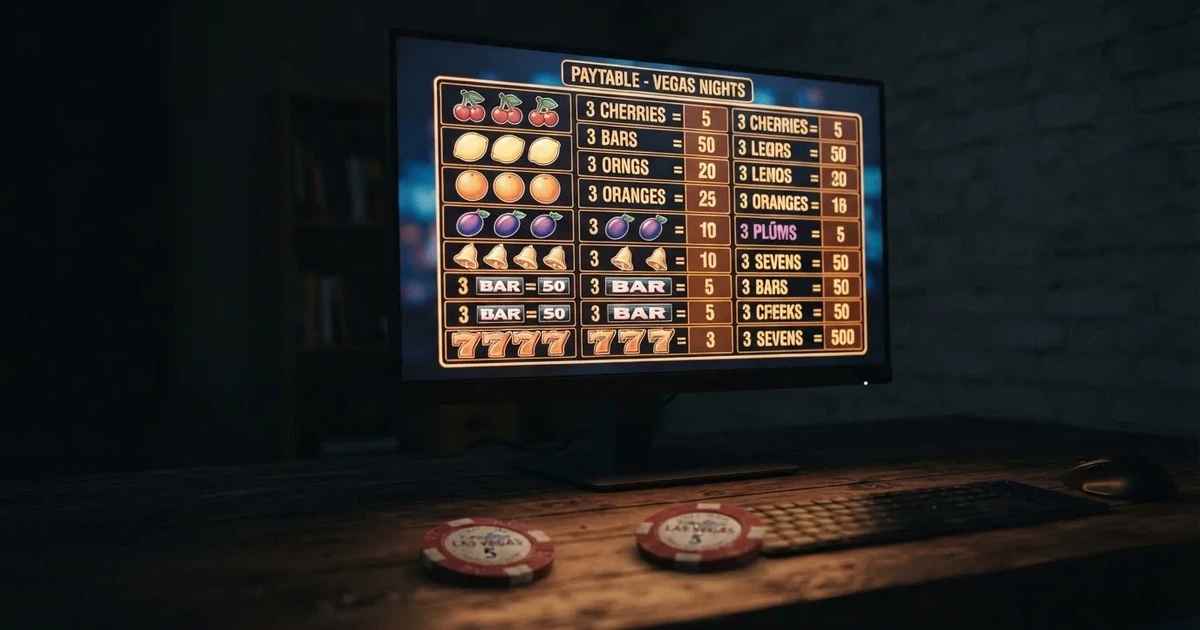
This page walks the line itself: what Playtech actually builds, why offshore sites keep advertising it to Australian visitors, and what the ACMA’s formal-warning record tells us about who is currently offering those games anyway. Eleven brands sit on that warning list as of mid-2026; their names come up whenever a search engine suggests “best Playtech casinos Australia”. They are not ranked here in any order of merit. They are reviewed because the regulator itself singled each one out, and because a reader trying to make sense of a casino advert needs to know what that warning means in practice.
Data current as of 29 October 2026 and checked against the ACMA’s published enforcement register.
- Playtech Slots, Paytables and the Mechanics Behind the Brand
- How This Page Compares 11 Offshore Brands Without Ranking Them
- The Law Prohibiting the Product: IGA 2001 and the 2017 Amendment
- Responsible Gambling Supports and What They Actually Cover
- How Deposits and Withdrawals Actually Work at an Offshore Casino
- Bonuses and Free Spins: What the Offer Actually Costs
- Mobile Play: Browser, App and What Actually Loads
- Brand Profiles: What Each ACMA Warning Tells Us
- Frequently Asked Questions About Playtech and Online Gambling in Australia
Playtech Slots, Paytables and the Mechanics Behind the Brand
The word “Playtech” travels further than the company. A search for “Playtech slots” pulls in titles the studio itself never produced, because Playtech distributes a wide catalogue through partner platforms and sub-brands, and because casino aggregators routinely list non-Playtech content under its name in marketing copy. Worth pulling apart before any reader picks a game.

What Playtech actually builds
Playtech plc was founded in 1999 and is headquartered in Douglas, Isle of Man. The group supplies software for online casinos, poker, bingo, sports betting and live-dealer games; subsidiary brands include Virtue Fusion (bingo), iPoker (the poker network) and Playtech BGT Sports, which feeds fixed-odds wagering terminals to UK bookmakers. The studio has also produced licensed slot games based on DC Comics films — Batman v Superman: Dawn of Justice, The Dark Knight Trilogy, Suicide Squad and Justice League — tie-ins that are the main reason its name appears so often in slot roundups.
Acquisitions have widened the catalogue. In July 2013 Playtech bought PokerStrategy.com, then one of the largest poker communities in the world with almost 7 million members, from Etruvian Holdings for $49.2 million. In May 2016 it acquired Swedish studio Quickspin for an initial €24 million plus a €26 million earn-out, and in July 2016 it bought Best Gaming Technology for €138 million. In April 2018 it paid €291 million for a 70.6% stake in Italian betting and gaming firm Snaitech. Each of those brands now lives under Playtech’s distribution umbrella, which is why a “Playtech casino” in an advert often includes Quickspin releases and Snaitech-adjacent content as well.
The maths to know at a paytable is straightforward. Every slot carries a Return to Player percentage, a volatility band, and a hit rate — the share of spins that pay anything at all. A 96% RTP does not mean the player keeps 96 cents per spin; it is the average return across millions of spins, weighted to the house edge. Volatility controls the shape of that return: a “very high” volatility game pays less often and pays larger when it does, an “extra high” volatility game stretches those swings further. The hit rate, sometimes printed, sometimes not, tells you how many of every hundred spins return something greater than the stake. None of these numbers can be inferred from marketing copy; they live on the developer’s own game page, and on independent test-lab certificates, and not on the affiliate sites that list the title.
Other studios whose games ride alongside Playtech
Two other suppliers sit close enough to Playtech in casino lobbies to be worth naming, because the same offshore sites market them under one headline.
1spin4win is a slot provider founded in 2021, headquartered at Scharlooweg 39 in Willemstad, Curaçao, holding a Curaçao gaming licence. Its catalogue spans more than 190 online slots, all built in HTML5 for low-bandwidth connections, and the company reports more than 1,000 partnerships with online casinos and aggregators. Internal company data shows its total bet sum grew 46% in the first half of 2025 against the first half of 2024.
Betsoft was founded in 2006 and describes a catalogue of more than 200 RNG games spanning slots, table games, video poker and specialty titles. Betsoft lists its Good Girl Bad Girl 2 slot at a 96.22% RTP, “Very High” volatility and a 15.59% hit rate, played on 5 reels and 20 paylines. The studio states it operates in compliance with licensing authorities including Italy’s ADM (the Italian Customs and Monopolies Agency), with RNG certification from Quinel and Gaming Labs International, and says it partners with more than 500 operators across regulated markets in Europe, Scandinavia, Latin America and Africa.
Aristocrat Leisure is the Australian counterweight to this picture. Founded in 1953 by Leonard Ainsworth, listed on the ASX in 1996 under the ticker ALL, the company is the largest gambling-machine manufacturer in Australia and the second-largest slot-machine manufacturer in the world, behind International Game Technology. Aristocrat’s 2025 revenue came in at A$6.30 billion, normalised net profit after tax and amortisation at A$1.55 billion, with 7,400 employees. Its administrative and research headquarters sit in North Ryde, with marketing and development offices in South Africa, Russia and the United States. Crucially for the AU reader, Aristocrat operates in two parallel worlds: the regulated land-based machine market in Australia, and Aristocrat Interactive, the regulated online real-money-gambling business formed in April 2024 by combining Aristocrat’s Anaxi unit with the newly acquired NeoGames group (which includes Aspire Global, BtoBet and Pariplay). What Aristocrat does not do is offer online casino games to people physically in Australia — that prohibition applies to every supplier, including the Australian ones.
One historical footnote. In 2021 Aristocrat Leisure bid roughly US$3.7 billion for Playtech itself. Playtech shareholders rejected the offer. The takeover would have concentrated Australian gaming-machine intellectual property under one roof, and the rejection is part of why Playtech remains, today, an independent supplier rather than the online arm of an Australian giant.
Why the Australian flavour of a Playtech slot is not what it looks like
A “Playtech Australian casino” line in marketing almost always means one thing: an offshore casino branded for the AU market, with AUD as a deposit currency, A$100–A$200 welcome offers, and a customer-service team trained on Australian slang. It does not mean an Australian-licensed casino. No Australian licence exists for the product being sold. The licence an operator flashes — usually Curaçao, sometimes Anjouan — does not give it a regulatory toe-hold in Australia. ACMA enforcement notices land on those operators regardless of what their footer says.
How This Page Compares 11 Offshore Brands Without Ranking Them
A ranked list implies a verdict the underlying market cannot support. Eleven operators currently sit on the ACMA’s published warning register for offering prohibited online casino games to Australians; ranking them by “best” treats the warning as a quality signal when it is in fact an enforcement one. The ranking frame is still useful for navigation — readers want to see what those eleven names actually offer, side by side — so this page holds the comparison on five columns only:
| Brand | ACMA action and date | Operator named by the ACMA | Subject support |
|---|---|---|---|
| RocketPlay | Formal warning, March 2026 (Pulsup Ltd); earlier Dama N.V., May 2022 | Pulsup Ltd (Rocketplay.com.au) | not disclosed in ACMA records |
| Level Up Casino | Formal warning, May 2022 | Dama N.V. | listings-only references to Wazdan content |
| Woo Casino | Formal warning, March 2025 | Dama N.V. | not disclosed in ACMA records |
| Spirit Casino | Formal warning, May 2025 | Dama N.V. | not disclosed in ACMA records |
| National Casino | Formal warning, July 2025 | Consolutetish S.R.L. | listings-only references to Betsoft and Pragmatic Play content |
| Bizzo Casino | Formal warning, July 2025 (Consolutetish S.R.L.); 2022 (TechSolutions) | Consolutetish S.R.L. | not disclosed in ACMA records |
| Ignition Casino | Formal warning, July 2025 | Bamboo Media | not disclosed in ACMA records |
| Instant Casino | Formal warning, February 2025 | EOD Code SRL | not disclosed in ACMA records |
| Jackbit | Formal warning, April 2026 | Ryker B.V. | not disclosed in ACMA records |
| Casino Intense | Formal warning, April 2025 | Sterplay Holding Ltd | listings-only references to 1spin4win content |
| Sky Crown | Formal warning, September 2022 | Hollycorn N.V. | not disclosed in ACMA records |
The fourth column carries no verdict. It names what independent third-party listings say about a brand’s catalogue, which is what the table can honestly carry, and stops there. Where research marks a brand as not carrying Playtech content, the table does not say “yes” either.
A few practical inferences stand out from the regulator column. Six of the eleven warnings name Dama N.V. or entities under its wider corporate tree (RocketPlay, Level Up, Woo, Spirit, plus Bambet, Dazard, Wild Tornado and Cobra, which sit in the same 2022 batch but lie outside this page’s eleven). Two warnings — National Casino and Bizzo — name Consolutetish S.R.L., which had already drawn a 2022 warning under TechSolutions for Bizzo before the 2025 follow-up. The 2024-to-2026 record is an almost monthly drumbeat: Bamboo Media (Ignition), EOD Code SRL (Instant Casino), Ryker B.V. (Jackbit and CasinOK), Sterplay Holding (Casino Intense), Pulsup Ltd (Rocketplay.com.au). Each operator is incorporated somewhere offshore; none of them has an Australian subsidiary that the ACMA’s notice names.
That pattern is the table’s actual point. The choices a punter looking for a “Playtech casino” is presented with are not really eleven distinct operators — they are a handful of corporate structures rebranded and re-spun every few months. A punter leaving one warning behind by jumping to a different brand is more often than not moving to a sibling site under the same holding company.
The ACMA’s other lever sits outside the warnings. By the end of June 2026, the regulator had asked Australian ISPs to block 1,751 illegal gambling and affiliate-marketing websites since the first blocking request in November 2019, and more than 230 unlicensed gambling services had left the Australian market since enforcement was strengthened in 2017. The 2026 round in June alone added twelve names — 7Signs, ChromaBet, Donbet, Duospin, Freshbet, Slots Gem, Jacks Club, Lucky Start, Pointsbetz.com, Spinrise, Vinyl Casino and Wildsino — to that block list. Those names are different again, and they will be different again next quarter.
The Law Prohibiting the Product: IGA 2001 and the 2017 Amendment
Online casino games cannot be licensed in Australia. The Interactive Gambling Act 2001, tightened by the Interactive Gambling Amendment Act 2017, makes it an offence to provide online casino games, online pokies or in-play betting to a person in Australia. No state or territory issues a licence for the product; the only forms of gambling that are licensable online in Australia are wagering on races and sport placed before the event, lotteries and keno. The minimum age is 18.
In practice, online wagering licences are issued by the Northern Territory. The Northern Territory Racing and Wagering Commission (NTRWC) regulates 52 of Australia’s online bookmakers — Sportsbet, Bet365 and Ladbrokes sit among them — under what is essentially a tax-licensing arrangement; the commission has no full-time staff and meets once a month in Darwin. That mechanism is the legal route for online gambling in Australia; everything else that accepts an Australian deposit for an online casino product is operating in breach of the IGA.
What the regulator can actually do
The ACMA investigates complaints, issues formal warnings, and directs Australian internet service providers to block illegal sites. The individual player is not prosecuted — the IGA targets the provider — but an offshore site gives no Australian consumer protection, no complaints body and no recourse if a withdrawal is refused, and an ACMA block can land while a balance is still sitting on the account. The H2 Gambling Capital 2025 report put Australian losses to illegal gambling sites at roughly A$3.9 billion a year, and the share of gambling going through legal channels fell from 74% in 2021 to 64% over the same period.
Payment rules a player should know
Credit cards, credit-related products and digital currency have been banned as payment for licensed online wagering since 11 June 2024. Penalties for an operator breaching that rule reach $247,500. The legal deposit routes for licensed wagering are debit card, bank transfer, PayID/Osko and BPAY. A site asking an Australian for a credit card or a crypto deposit is operating outside the Australian rules by definition, because the payment ban applies to licensed operators and most offshore operators never held that licence in the first place. A Visa or Mastercard deposit landing at an offshore site is not illegal for the cardholder, but the operator accepting it is the one the IGA has in mind.
The 2026 reform
The Interactive Gambling Amendment (Gambling Reform) Bill 2026 passed Parliament on 19 August 2026. Its advertising and inducement measures commence on 1 January 2027 — law with a start date, not yet in force on a 2026 page. The change matters for affiliate marketing and bonus advertising in particular; the existing prohibition on the product itself is the IGA 2001 and the 2017 amendment, neither of which the new bill replaces.
Tax and recreational play
Gambling winnings of a recreational player are not assessable income, under section 6-5 of the ITAA 1997, and losses are not deductible. The exception is a person who carries on a business of gambling, which a casual player does not. ATO confirmation is the right step before relying on that treatment for anything beyond a one-off windfall.
Responsible Gambling Supports and What They Actually Cover
The responsible-gambling supports that exist in Australia are built for Australian-licensed wagering, and that scope matters.
BetStop and what it does and does not bind
BetStop — the National Self-Exclusion Register — has been live since August 2023. It binds every Australian-licensed online and phone wagering service to honour a registered self-exclusion, and the obligation runs both ways: the punter cannot open a new account with a licensed operator while the exclusion is active, and the operator cannot let them deposit. What BetStop does not bind is an offshore casino. An Australian registering on BetStop still has full access to every Curaçao-licensed site on the ACMA’s block list, and the register does not transmit an exclusion order to those operators because there is no regulatory relationship to transmit it through. Self-exclusion from the offshore market is a per-site setting rather than a register.
The 24-hour line
The National Gambling Helpline is 1800 858 858, free, twenty-four hours a day, with chat support available through Gambling Help Online. The line is funded by the Commonwealth and is independent of any operator. State and territory supports sit alongside it — Gambler’s Help in Victoria, GambleAware in New South Wales, the various state-based financial-counselling services — and they too are scoped to the licensed market in the same way as BetStop.
The cost of an unregulated site refusing to act
A licensed operator that refuses to honour a self-exclusion faces enforceable ACCC and state-level action; an offshore operator faces neither, which is the practical reason an exclusion register only does so much. A punter who has voluntarily blocked themselves from licensed wagering but kept playing on offshore casinos should treat the offshore balance as unsecured — money that can be lost without complaint rights, and that the ACMA cannot recover on their behalf if the operator refuses to pay out.
How Deposits and Withdrawals Actually Work at an Offshore Casino
Payment terms are where the offshore marketing copy usually sounds the most like a licensed product, and where the gap with reality is widest.
Deposit options and what each implies
A “Playtech casino” advert typically lists Visa, Mastercard, a handful of e-wallets (Skrill, Neteller, MiFinity), one or two vouchers (Paysafecard, Neosurf), and increasingly a cryptocurrency wallet — Bitcoin, Ethereum, sometimes Tether on TRC-20. Each of those routes carries a different footprint. A Visa debit deposit routes through the card-issuing bank, which sees the merchant descriptor; a crypto deposit routes through a chain, which neither card-issuing bank nor ASIC sees in the same way. The IGA’s 2024 ban on credit and crypto for licensed wagering does not extend to an offshore site, which is why these methods stay live there long after they have been pulled from the licensed product.
Payout speed and what it depends on
Settlement time at an offshore operator is governed by three things: the operator’s internal approval queue, the payment method, and the operator’s own published terms. E-wallet withdrawals can clear in under twenty-four hours once approved, but “approved” is the variable — operators that ask for fresh KYC documentation on the first withdrawal can hold the funds for a working week while they “review”. Bank transfers clear in three to seven business days on the AU leg, and crypto withdrawals can be near-instant once the operator signs them off. None of these speeds are guaranteed terms under the IGA, because the ACMA has no jurisdiction over the operator in the first place.
The KYC hold no one reads
Almost every offshore operator enforces a “Know Your Customer” review on the first withdrawal — a request for a photo ID, a proof of address, sometimes a source-of-funds declaration. The review can be applied selectively, and operators have been known to use it as a stalling tactic on balances they would rather not release. The hole is that a player has no independent complaints body to escalate to; the only pressure is reputational, and reputational pressure does not move money.
A note on Playtech-branded “instant withdrawal” claims
Marketing pages for offshore operators sometimes describe a “Playtech-powered instant withdrawal” — a hangover from the early 2010s when Playtech did run a payment platform aimed at speed. The platform has been a minor feature of the wider Playtech story for over a decade; modern payouts at the brands below are operator-specific, not platform-specific. Treat any “instant” claim as the operator’s own promise, and as unenforced by anyone outside the operator’s customer-service team.
Bonuses and Free Spins: What the Offer Actually Costs
A “Playtech casino bonus” or a “Playtech free spins no deposit” advert is the inducement the IGA targets directly — exactly the kind of offer the 2026 reform bill will further restrict from 1 January 2027.
The structure of an offshore welcome package
A typical package bundles a deposit match (often 100% or 200% on the first deposit, with two or three follow-on deposits also matched), a free-spin allocation (anywhere from fifty to several hundred spins, usually restricted to a small list of named titles), and occasionally a “no-deposit” starter — a small bonus credited for account creation alone. The headline number is the deposit match; the conditions sit in the bonus terms.
What the terms typically require
Three conditions tend to repeat across the offshore market, and each of them changes the value of the headline bonus.
- Wagering requirements: the bonus, sometimes the deposit too, must be turned over a stated multiple of times (often 35× to 50×) before any winnings become withdrawable. A$200 bonus at 45× means A$9,000 of qualifying play before a withdrawal is permitted.
- Game weighting: not every spin contributes the full stake to the wagering requirement. Slots usually contribute 100%, but table games and most live-dealer titles contribute 10% or zero, which means a punter trying to clear a bonus by playing blackjack can find themselves nowhere near the requirement after hundreds of hands.
- Max cashout and expiry: a no-deposit bonus is usually capped at a small multiple of the bonus face value, and free-spin winnings are capped separately. Both expire in seven to thirty days; missing the window forfeits the bonus and the winnings tied to it.
The calculation this page offers
The page makes one calculation by design, and the answer is a band rather than a single number. The arithmetic: divide the total cumulative wagering owed by an A$1 per spin stake, then multiply the number of spins by a five-second interval to estimate hours of play.
For the median package on this market — A$200 bonus, 45× wagering, A$1 per spin — the required turnover is A$9,000, equivalent to 9,000 spins, equivalent to roughly 12.5 hours of continuous play at a five-second cadence. The cost of those spins is where the band opens. At a 96% RTP — a typical Playtech-developed slot — the expected loss across 9,000 spins at A$1 each is about A$360, which is the largest plausible gap between bonus face value and out-of-pocket spend. At a 92% RTP — a low end for a regulated slot, more typical of an offshore aggregator listing — the expected loss is around A$720, which is over three times the original bonus. Lighter volatility on top of the higher RTP can shift the figure lower; a tight stop at A$5 per spin and a 50× requirement lifts it higher. The honest summary is a band — A$360 to A$720+ of expected loss for an A$200 bonus cleared under ordinary conditions — and the condition that bounds it is the slot’s published RTP, which the reader has to look up rather than infer from the advert.
Why an A$500 bonus can be the cheaper choice
The counterintuitive point lands on RTP. An A$500 bonus cleared with a tighter wagering multiple at a high-RTP slot can come out cheaper than an A$200 bonus with a long wagering requirement on a low-RTP title. The headline bonus size is the most advertised figure on the page and the least informative one. The wagering multiple, the spin cost, and the slot’s published RTP together determine what an offer actually costs, and the audit on each of them is what the next paragraph does.
Conditions worth reading before claiming
A condition worth weighing separately from the calculation: some packages exclude popular slots from the bonus or weight them at zero, which means a punter who only plays one title may be unable to clear the bonus on that title at all. Other packages impose a max bet cap during the wagering period — typically A$5 per spin — and breach that cap forfeits the bonus and the winnings. Both conditions are reasons to read the bonus terms before committing a deposit.
Mobile Play: Browser, App and What Actually Loads
“Playtech mobile casino” used to mean a downloadable casino client; today it means a browser tab. Playtech HTML5 titles run on iOS, Android and modern mobile browsers without requiring an app store install, and the load times on a 4G connection are the metric the offshore market uses to sell itself.
Browser-based play
A punter on a current iPhone or mid-range Android will typically see a Playtech-branded slot load in under five seconds on a stable 4G connection; titles with heavy 3D animations can stretch that to ten seconds. Battery and data use are steeper than a 2D slot, but neither is unusual for an HTML5 game in 2026.
Dedicated apps
A few operators in this market still publish a downloadable app through a direct link rather than the App Store or Google Play, where Apple and Google policies have made casino apps harder to list. The download is usually a wrapper around the same HTML5 title that runs in the browser; performance is similar, and the install carries an additional warning because the APK or .ipa comes from the operator rather than from a vetted store.
What mobile play changes about the offshore experience
A punter playing in a browser tab on a phone has fewer warnings than they would on a desktop. The desktop’s URL bar tells them they are on a .com or .io address; the phone’s mobile browser shows the same domain in a smaller font and the “is this site safe” warning that desktop browsers raise on flagged domains is easier to miss. The mobile experience is the one most offshore operators are now optimised for, and it is the one most likely to be the first contact a punter has with the brand.
Brand Profiles: What Each ACMA Warning Tells Us
Each of the eleven brands below carries the same underlying problem: offering prohibited online casino games to Australians. The differences are in who runs them, when the regulator last named them, and what independent listings say about their catalogue. Each entry closes on the page’s own reading of the brand’s position in the offshore market, and what it means for a reader who has been steered to it.
RocketPlay — the operator caught twice
The ACMA issued a formal warning to Pulsup Ltd over Rocketplay.com.au in March 2026. The same brand had already drawn a warning in May 2022, when Dama N.V. was named over a six-brand batch that also covered Bambet, Dazard, Level Up, Rocketplay, Wild Tornado and Cobra Casinos. Two warnings four years apart on overlapping brand names suggest a continuing operation under shifting corporate wrappers; the second warning is on a different corporate vehicle (Pulsup Ltd, not Dama), but it lands on the same .com.au address. A punter who registered with RocketPlay after 2022 and stayed through 2026 still has an account with a brand that the ACMA has now told to stop twice. The independent listings do not show this brand carrying Playtech content; what it does carry, and at what terms, lives in the bonus pages it advertises. The regulator’s view is the only verifiable line on RocketPlay’s standing.
Level Up Casino — the May 2022 warning still defining the brand
The ACMA’s May 2022 warning to Dama N.V. named Level Up alongside five other brands in the same corporate group. Independent listings reference Wazdan-developed content on Level Up, not Playtech titles; the brand positions itself as a multi-studio lobby rather than a single-supplier casino. A punter who arrived at Level Up via a Playtech search has been directed to a multi-studio brand by an aggregation that does not say what studio provides which game. The 2022 warning has not been followed up with a block at the Australian ISP level as of mid-2026; that is the same window in which newer blocks have landed, and it is a hint that the regulator’s attention has moved on, though the formal warning itself remains in force.
Woo Casino — Dama’s repeat offence
The ACMA issued a formal warning to Dama N.V. over Woo Casino in March 2025, three years after the same operator’s 2022 batch on Level Up and its siblings. Independent listings do not show Woo carrying a specifically Playtech-flagged catalogue; the brand lives or falls on its broader multi-studio offering. The pattern of repeat Dama N.V. warnings is itself the story: corporate vehicles within that group — Bambet, Dazard, Level Up, Rocketplay, Woo, Spirit, Wild Tornado, Cobra — have between them drawn four ACMA formal warnings over four years. A punter who treats “different brand, different site” as “different operator” is misreading the underlying corporate map.
Spirit Casino — the second Dama N.V. warning in 2025
A second Dama N.V. warning landed in May 2025, naming Spirit Casino alongside the broader Dama N.V. stable. The pattern is identical to Woo’s: a brand carrying no specifically Playtech-flagged content in the listings data, operating under a corporate parent that already has a warning on file. New brand name, identical operator; the ACMA’s repeat-action strategy on Dama N.V. is the read-across.
National Casino — the Consolutetish S.R.L. entry point
The ACMA’s July 2025 formal warning named Consolutetish S.R.L. as the operator of National Casino (and Bizzo, profiled below). Independent listings reference Betsoft and Pragmatic Play content on National Casino; no Playtech-specific catalogue is shown. A punter arriving via a Playtech search has, again, been mapped onto a multi-studio lobby by an aggregation that does not separate suppliers per game.
Bizzo Casino — two warnings, ten years apart
Bizzo is the only brand on this list with two distinct ACMA actions on file under different corporate names: a 2022 warning to TechSolutions (CY) Group Limited and TechSolutions Group N.V., and a July 2025 warning to Consolutetish S.R.L. The latter is the one currently in force; the 2022 warning sits in the historical register. Independent listings do not show a Playtech-specific catalogue at Bizzo. The two-warning history is the most striking thing about the brand; the regulator has been telling Bizzo’s operators to stop for the better part of a decade.
Ignition Casino — the Bamboo Media warning
The ACMA’s July 2025 formal warning to Bamboo Media named Ignition Casino. Independent data does not credit this brand with a Playtech-focused catalogue; it positions itself around a poker-and-casino mix rather than a single supplier. A punter arriving at Ignition through a Playtech search has been pushed by an aggregator onto a multi-game brand where Playtech’s presence is not the headline, if it is in the catalogue at all.
Instant Casino — the EOD Code SRL warning
In February 2025 the ACMA issued a formal warning to EOD Code SRL over Instant Casino. This brand lacks a Playtech-specific catalogue in independent audits. Its positioning is broad multi-studio rather than supplier-specific; a Playtech search reaching Instant Casino is an aggregator routing, not a marketing claim by the casino.
Jackbit — the most recent warning on the list
In April 2026 the ACMA issued a formal warning to Ryker B.V. over Jackbit and CasinOK. Jackbit is the crypto-heavy book-and-casino hybrid on this list; its main product is sports and esports wagering, with a casino lobby running alongside. No Playtech-focused catalogue is credited to this brand in external data. The fact that an ACMA warning landed on a crypto-wagering site at all is the news; the brand’s broader crypto-wagering product is what most readers will encounter there.
Casino Intense — the 1spin4win link
The ACMA’s April 2025 formal warning named Sterplay Holding Ltd as the operator of Casino Intense. Independent listings reference 1spin4win-developed content on the brand; no specifically Playtech-flagged catalogue is shown. Casino Intense sits on this list as a representative of the smaller Curaçao-licensed brand market rather than the major Dama N.V. stable; a punter reaching Casino Intense through a Playtech search is again being routed onto a multi-studio brand where 1spin4win (a 2021-founded studio out of Curaçao) is the more visible supplier.
Sky Crown — the Hollycorn N.V. brand with the 2022 warning
The ACMA issued a formal warning to Hollycorn N.V. over its Sky Crown and Blue Leo casino services. External sources do not associate this brand with a Playtech-dedicated catalogue. The brand sits within the Hollycorn N.V. portfolio; the warning is the primary public action against the corporate group to date.
The eleven-brand verdict
Eleven brands, one market: offering prohibited casino games to Australians. Six of the eleven sit under Dama N.V. or companies close to it; one (Bizzo) carries two warnings under two different corporates; one (National Casino) carries the same 2025 warning as Bizzo under Consolutetish S.R.L.; the rest are a mix of single-brand operators each carrying one formal warning. A punter moving from one of these brands to the next because they “liked the welcome offer but want to try something different” is moving, more often than not, between two warnings under the same corporate group. That is the page’s read on what the eleven-brand table actually shows: not a market of competing operators, but a market of reissues.
Frequently Asked Questions About Playtech and Online Gambling in Australia
Is Playtech itself legal to play in Australia?
Playtech plc is a legitimate, London-listed software supplier headquartered in Douglas, Isle of Man. Its products are licensed for use in regulated online gambling markets in Europe, Latin America and elsewhere. None of that status makes its online casino products legal to offer to a person in Australia — the Interactive Gambling Act 2001 prohibits an Australian-facing online casino product regardless of which supplier built it. The lawful ways an Australian can encounter Playtech content are through licensed land-based gaming machines or via overseas travel to a regulated market.
What kinds of games does Playtech actually develop?
Playtech’s catalogue spans online slots, table games, live-dealer titles, bingo (under the Virtue Fusion platform), poker (under iPoker) and sports betting software (under Playtech BGT Sports). Acquisitions have widened the slot catalogue — Quickspin, Best Gaming Technology, and the Snaitech group are now distributed under the Playtech umbrella — and the studio holds licensed rights to develop slots based on DC Comics films including The Dark Knight Trilogy and Justice League. Game variations matter: an HTML5 build runs in a browser tab on mobile and desktop, while older download-client titles have largely been retired for the AU-facing market.
Are Playtech games offered at land-based venues in Australia?
The licensed machines in Australian clubs, pubs and casinos carry games from Aristocrat, IGT, Konami and other manufacturers; Playtech has historically been an online-only studio for the Australian market. Aristocrat, the largest gambling-machine manufacturer in Australia, did bid to acquire Playtech in 2021 but the offer was rejected by Playtech shareholders. The closest an Australian punter gets to a Playtech-developed title in a regulated setting is by travelling to a market where Playtech content is licensed — most commonly the UK, parts of Europe, or certain Latin American jurisdictions.
How can an Australian verify a Playtech title is fair?
Independent test-lab certificates are how online slots are independently audited. Look for an RNG certificate from Quinel, Gaming Labs International, or BMM Testlabs printed on the developer’s game page. A published RTP, hit rate and volatility band on the same page is the second indicator; in licensed European markets the regulator’s own game register (the UK Gambling Commission’s game register, the Malta Gaming Authority’s registered-games list, the Italian Customs and Monopolies Agency’s ADM register in Italy) carries the same data with a regulator’s stamp. None of those registers covers a game offered by an offshore casino to an Australian customer, because the offering is prohibited in the first place.
Why do offshore sites keep advertising Playtech games to Australian players?
Search-engine optimisation. Playtech, Quickspin, Pragmatic Play and other major studio names are high-volume search terms; an offshore casino that can claim those titles in its lobby is bidding for traffic against every other offshore casino doing the same thing. The fact that the offering is prohibited under the IGA does not change the economics — an offshore operator has no Australian regulator to worry about, and the per-player cost of acquiring an Australian customer who lands on the brand is lower than the cost of competing for traffic in fully regulated markets. The economics is also why ACMA enforcement has been steadily increasing: roughly A$3.9 billion a year is leaving Australia through illegal sites per the H2 Gambling Capital 2025 figure, and the share of gambling going through legal channels fell from 74% to 64% between 2021 and 2025.
What should an Australian do if they see a Playtech game advertised by an unlicensed site?
Report it to the ACMA at the regulator’s complaint portal. The regulator tracks individual complaints, and a complaint is one of the inputs into a formal-warning or block decision. A punter who has already deposited at an offshore site and wants to close the account should withdraw any balance first — the ACMA cannot recover funds on a player’s behalf, and a frozen account after a block is more likely than a withdrawal before one. A punter who wants to stop gambling altogether should register on BetStop, the National Self-Exclusion Register, which binds Australian-licensed wagering services; the National Gambling Helpline at 1800 858 858 is the 24-hour support line, with chat at Gambling Help Online for those who would rather not call.