
Google Pay at Australian online casinos, a market the ACMA keeps closing
29 October 2026 data checked against the ACMA register of formal warnings and blocking requests, and against the Reserve Bank of Australia’s most recent card-payments review.
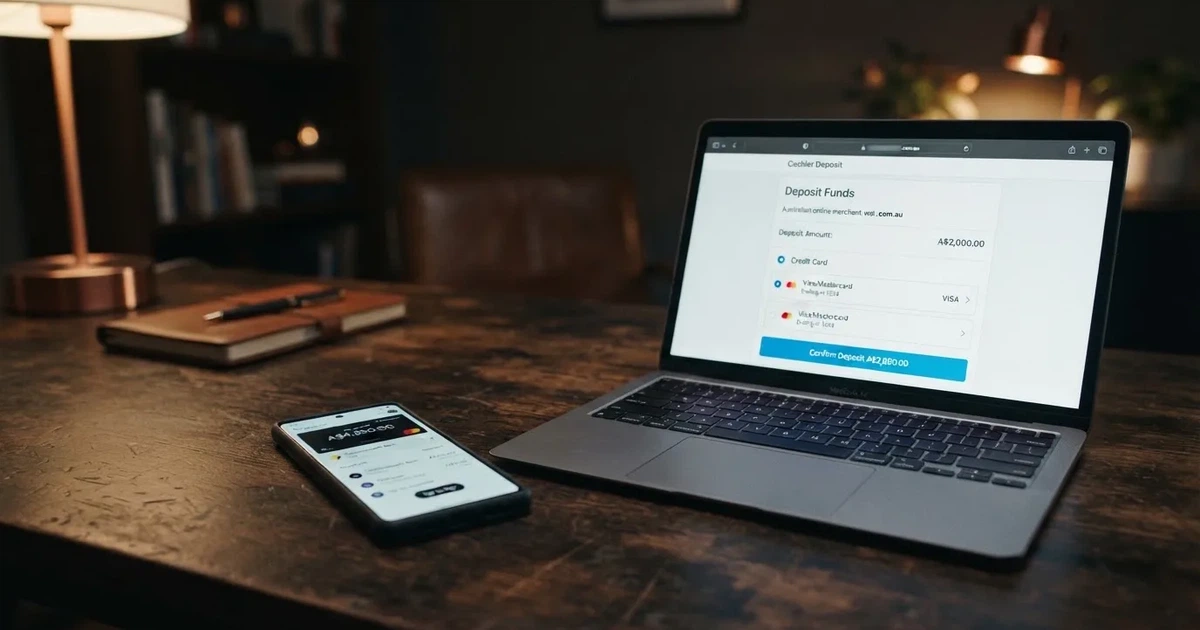
A handful of offshore casino brands list Google Pay in their cashier and present themselves as friendly to Australian players. They are not. Under the Interactive Gambling Act 2001 no online casino game, no online pokie, and no in-play bet may lawfully be offered to a person in Australia. Google Pay is irrelevant to that fact: whether the deposit button reads Visa, Bitcoin or Google Pay, the operator is doing something the Act prohibits, and the Australian Communications and Media Authority has spent the last several years naming names.
What follows is a working answer to the question the search actually carries: which offshore brands accept Google Pay, how the deposit and withdrawal flow looks when it works at all, and what the ACMA has already done to operators in the same category. It is not a recommendation to play.
- The Interactive Gambling Act and why a Google Pay deposit does not change it
- Summary of ACMA warnings by operator
- What Google Pay does at a cashier, when it works
- Why a “Google Pay casino” still gets declined
- Landscape of ACMA-warned brands
- What the warnings leave behind
- What a player who has decided to use one of these sites anyway should check first
- Where the legal Australian wagering rails actually sit
- Responsible gambling and where to get help
- FAQ
The Interactive Gambling Act and why a Google Pay deposit does not change it
The Interactive Gambling Act 2001, tightened by the Interactive Gambling Amendment Act 2017, criminalises the supply of prohibited interactive gambling services to people physically in Australia. A “prohibited interactive gambling service” covers any online casino game, any online pokie, and any in-play bet placed after the event has started. The Act targets the provider, not the player, but a player who reaches one of these services gets none of the protections an Australian licence would attach: no Australian complaints body, no recourse if a withdrawal stalls, and a real chance the domain is blocked mid-week with money still in the account.
What is licensed in Australia is racing and sports wagering placed before the event, lotteries, and keno. The Northern Territory Racing and Wagering Commission supervises 52 of those licensed online bookmakers, a list that includes Sportsbet, Bet365 and Ladbrokes, and the commission runs without full-time staff, meeting once a month in Darwin. That is the regulatory floor under every legitimate wagering product an Australian can use online. Online pokies sit outside it.
Two further rules close off the obvious workarounds. Since 11 June 2024 Australian-licensed wagering services have not been allowed to take credit cards, credit-related products or digital currency as a deposit method, with penalties of up to $247,500 for operators that breach the rule. The legal routes are debit card, bank transfer, PayID and Osko instant transfers, and BPAY. A cashier that asks for a credit card or a crypto deposit is, by construction, not an Australian-licensed cashier. And the Interactive Gambling Amendment (Gambling Reform) Bill 2026, which passed Parliament on 19 August 2026, layers advertising and inducement restrictions on top, with those measures commencing on 1 January 2027. It is law with a start date, not yet in force on a page read in 2026.
Summary of ACMA warnings by operator
| Operator | Brands warned | Warning years |
|---|---|---|
| Dama N.V. | Bambet, Dazard, Level Up, Rocketplay, Wild Tornado, Cobra, Woo, Spirit | 2022, 2025 |
| Hollycorn N.V. | Sky Crown, Blue Leo | 2022 |
| Consolutetish S.R.L. | National Casino, Bizzo Casino | 2025 |
| TechSolutions (CY) Group | Bizzo Casino | 2022 |
| Ryker B.V. | Jackbit, CasinOK | 2026 |
| Pulsup Ltd | Rocketplay | 2026 |
The ACMA’s tools are warnings, blocking requests to internet service providers, and referrals. Two of those tools have generated the public record that lets a player check a brand before signing up.
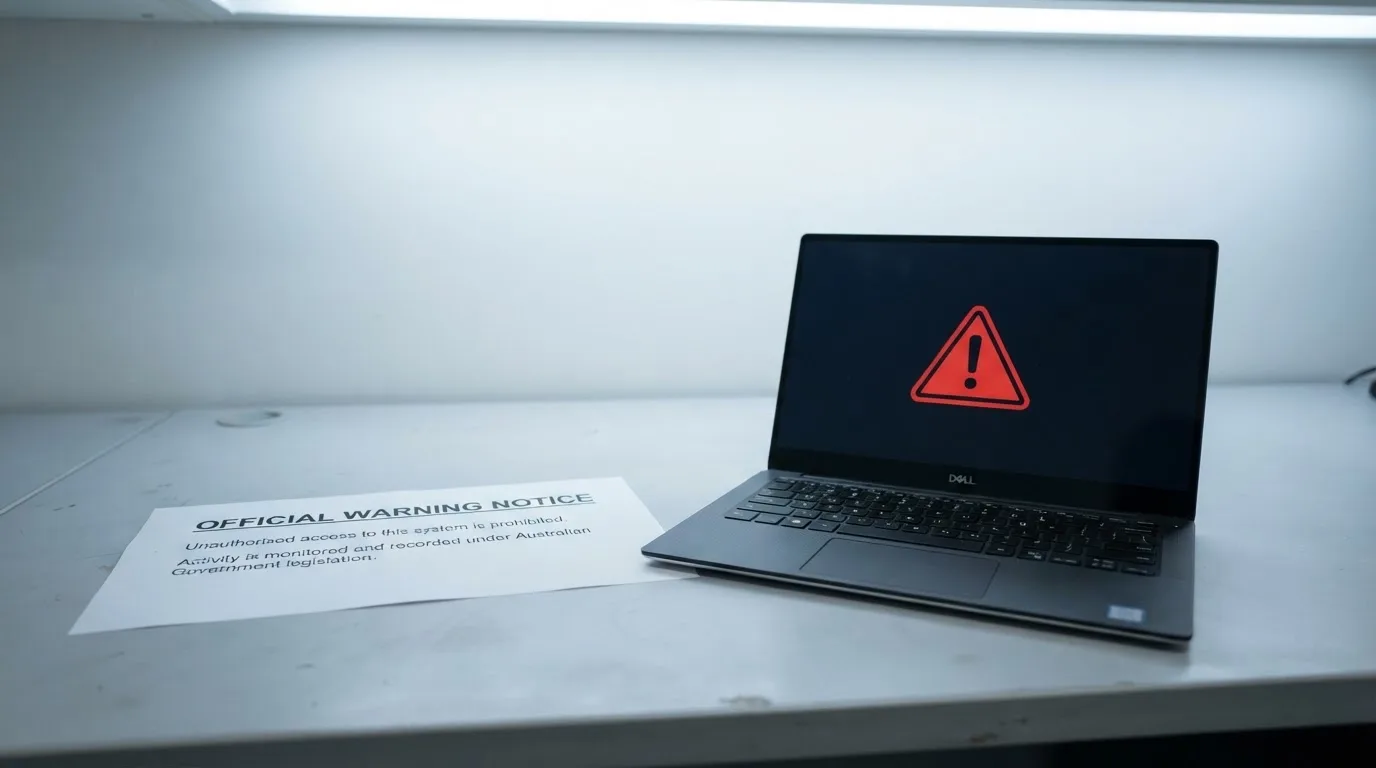
On 26 June 2026 the ACMA asked Australian ISPs to block another twelve illegal gambling and affiliate marketing websites in a single round: 7Signs, ChromaBet, Donbet, Duospin, Freshbet, Slots Gem, Jacks Club, Lucky Start, Pointsbetz, Spinrise, Vinyl Casino and Wildsino. That brought the running total to 1,751 illegal gambling and affiliate marketing sites blocked since the first blocking request in November 2019, and more than 230 unlicensed gambling services have left the Australian market since the regime was strengthened in 2017.
Sitting alongside the blocking requests is a longer list of formal warnings, each one addressed to a named operator and a named brand. The warnings are not blocking actions, and a brand that has been warned is not automatically blocked, but they are the ACMA’s written record of a finding that a site has been offering prohibited services to Australians. The published set covers, in roughly the order they appear on the register: Dama N.V. for Bambet, Dazard, Level Up, Rocketplay, Wild Tornado and Cobra Casinos in May 2022; Hollycorn N.V. for Sky Crown and Blue Leo in September 2022; Dama N.V. again for Woo Casino in March 2025; EOD Code SRL for Instant Casino in February 2025; Dama N.V. again for Spirit Casino in May 2025; Sterplay Holding Ltd for Casino Intense in April 2025; Bamboo Media for Ignition Casino and Consolutetish S.R.L. for National Casino and Bizzo Casino in July 2025, with Bizzo already the subject of a 2022 warning to TechSolutions (CY) Group Limited and TechSolutions Group N.V.; Ryker B.V. for Jackbit and CasinOK in April 2026; and Pulsup Ltd for Rocketplay in March 2026.
The ACMA’s efforts to curb illegal gambling have been consistent and persistent. Between the first blocking request in November 2019 and the 26 June 2026 round, 1,751 sites and affiliate pages were blocked across roughly 79 months. That works out to a band of roughly 21 to 23 sites blocked per month on average over the period, with a small cluster of rounds running heavier than that and the quieter months running lighter. The point is not the exact average: it is that the ACMA has been clearing the long tail at a steady pace for almost seven years, and the steady pace is the reason a brand that was easy to find in 2022 is often a redirected domain by 2026.
The dollar cost sits on the other side of the ledger. H2 Gambling Capital’s 2025 estimate puts Australian losses to illegal gambling sites at about A$3.9 billion a year, with the share of gambling going through legal channels falling from 74 per cent in 2021 to 64 per cent in the 2025 reading. The legal channels have grown. The illegal channels have grown faster.
What Google Pay does at a cashier, when it works
Google Pay sits on top of an underlying Visa, Mastercard or Amex card. When the card is added to Google Wallet the real card number is not stored on the phone; the card-issuing bank verifies the card and generates a unique Device Account Number, the token, for that device. At the cashier, the casino sees the token, not the card number, and the deposit clears through the card network the same way a contactless tap would. On the user’s side the experience is the same as a card payment: pick Google Pay, authorise on the phone, the cashier refreshes.
The mechanism explains three things a player will otherwise trip over. The first is that Google Pay itself charges no consumer fee for using it in stores, online or in apps; any surcharge that appears is the merchant’s own card-processing fee, not a Google Pay surcharge. The second is that Apple, which runs Apple Pay in parallel, takes the same line and adds the same caveat: transaction limits and PIN requirements are set by the card issuer or the merchant, not by the wallet. The third is that, at an offshore casino, none of this changes the legal frame: the deposit still routes through a card network, the card network still records the transaction under the merchant category code “Betting/Casino Gambling”, and the bank still has the option to refuse authorisation.
Hardware requirements are modest. Google Pay needs an NFC-enabled Android phone running Android 5.0 (Lollipop) or later, which covers the great majority of Android handsets in use in Australia. The wallet itself has been around in Australia since 2016, when Google launched it as Android Pay, and by the end of 2025 Google Pay, Apple Pay and Samsung Pay together accounted for around 45 per cent of all card payments in Australia by number. The technology is mainstream. The use case here is not.
Why a “Google Pay casino” still gets declined
The mechanism that lets Google Pay work at a Coles checkout is the same mechanism that lets a bank refuse a Google Pay deposit to an offshore casino. Three of the four major Australian banks now publish gambling-block tools, and each one is designed to catch a digital-wallet transaction on an eligible card, not only the physical card.
Westpac’s block sits at card level and refuses authorisation on transactions registered under the “Betting/Casino Gambling” merchant category code. National Australia Bank and ANZ both let customers apply a gambling block to their credit and debit cards themselves in their banking apps, without calling or visiting a branch. ANZ’s block, once turned on in the app, blocks gambling transactions made through a digital wallet such as Apple Pay on an eligible card, and removing the block again requires a 48-hour waiting period; the bank’s own disclosure warns that not every gambling transaction will be blocked and that some non-gambling transactions might be blocked in error. That last clause is the part most marketing pages leave out: the block is a reasonable defence, not a guarantee.
The Reserve Bank of Australia’s July 2025 review of merchant card payment costs proposes removing surcharges only on eftpos, Mastercard and Visa transactions, and explicitly leaves American Express outside the scope of the proposed ban. For a player who has been told Google Pay deposits are “fee-free” at the cashier, that distinction matters: where an Amex-funded wallet is the only route that has not been declined, the surcharge the cashier applies is the merchant’s own processing fee, and the proposed ban does not touch it.
Two further limits are worth knowing about. The first is that paying to a PayID, which is the legal instant-transfer rail, shows the name of the account holder before the transfer is sent, and AP+ warns that being asked to transfer money to a PayID on an illegal gambling site almost certainly means a scam site. The second is that withdrawing from an offshore casino through Google Pay is a different problem from depositing: the wallet was designed to push money into merchants, and a withdrawal still depends on the casino’s own manual checks before any settlement lands back in an Australian account. Osko and PayID move between Australian banks in under a minute, 24/7 including weekends, but only between participating Australian institutions, which an offshore casino is not.
Landscape of ACMA-warned brands
The ranking below is not a recommendation. Each brand is here because the ACMA itself issued a formal warning over it for offering prohibited interactive gambling services to Australians, and the published register of formal warnings is the only reason any of them belongs on the same page. None of them is lawfully able to take an Australian customer. The reason they are useful to compare is that each one sits in the same offshore cashier shape, and the differences between them are exactly where a player who is going to use one of these sites anyway ends up choosing.
The subject support column reports what the consulted sources say, in the consulted sources’ own words, about whether the brand lists Google Pay at its cashier. Where the consulted sources carry nothing, the cell is empty, and the brand is described on its other fields.
| Brand | ACMA action and date | Operator named by the ACMA | Subject support |
|---|---|---|---|
| RocketPlay | Formal warning, March 2026 (Pulsup Ltd); earlier Dama N.V. warning, May 2022 | Pulsup Ltd | — |
| Level Up Casino | Formal warning, May 2022 | Dama N.V. | Listing reported by Westpac’s gambling-block reference (listings-only) |
| Woo Casino | Formal warning, March 2025 | Dama N.V. | — |
| Spirit Casino | Formal warning, May 2025 | Dama N.V. | — |
| National Casino | Formal warning, July 2025 | Consolutetish S.R.L. | Listing reported by AUSTRAC and Wikipedia references (listings-only) |
| Bizzo Casino | Formal warning, July 2025 (Consolutetish S.R.L.); earlier TechSolutions warning, 2022 | Consolutetish S.R.L. | — |
| Ignition Casino | Formal warning, July 2025 | Bamboo Media | — |
| Instant Casino | Formal warning, February 2025 | EOD Code SRL | Listing reported by ecoPayz and PayID references (listings-only) |
| Jackbit | Formal warning, April 2026 | Ryker B.V. | — |
| Casino Intense | Formal warning, April 2025 | Sterplay Holding Ltd | Listing reported by AUSTRAC, iTnews and NAB references (listings-only) |
| Sky Crown | Formal warning (date as published) | Hollycorn N.V. | — |
The pattern in the table is the pattern in the ACMA’s published warnings: the same handful of operators recur. Dama N.V. shows up four times across two years; Consolutetish S.R.L. and TechSolutions share the Bizzo file; Hollycorn N.V. has warnings against more than one of its brands on the register. A player who has heard one of these names is hearing a brand belonging to an operator the ACMA has already addressed in writing, and the address is over prohibited services to Australians specifically.
RocketPlay
The ACMA issued a formal warning to Pulsup Ltd over Rocketplay.com.au in March 2026, and an earlier formal warning to Dama N.V. covering Rocketplay sat on the register from May 2022. Two warnings over four years, against two different registered operators using the same brand, is the ACMA’s documented position that the brand keeps offering prohibited services under new corporate clothing each time it surfaces. Data on RocketPlay’s cashier is absent from the checked sources, leaving only the ACMA’s formal warning as the definitive record.
Level Up Casino
Dama N.V. took a formal warning over Level Up in May 2022, as part of the same batch that named Bambet, Dazard, Wild Tornado and Cobra Casinos. The consulted sources record Level Up appearing in Westpac’s published reference list of gambling-related merchants, which is the only piece of cashier-level data the page can quote. The shape of the brand is the shape of the rest of the Dama portfolio: an offshore cashier, a Curacao-issued licence displayed prominently, and no Australian licence at all.
Woo Casino
Woo Casino drew its own formal warning to Dama N.V. in March 2025, three years after the original May 2022 batch. The interval between warnings is a useful tell: the operator on the cashier paperwork changed, the licence displayed on the site changed, and the ACMA still named the same parent. None of the consulted material clarifies whether Woo supports Google Pay, so the ACMA warning remains the sole cited detail.
Spirit Casino
Dama N.V. took a fourth warning, over Spirit Casino, in May 2025, two months after the Woo Casino letter. The two warnings landing within a quarter is not coincidence on the ACMA’s side; the formal warning is a written record of a finding, and finding the same parent over a second brand two months later is consistent with both brands running off the same operational template. Cashier-level details for Spirit Casino remain unverified in all the sources the page consulted.
National Casino
Consolutetish S.R.L. took a formal warning over National Casino in July 2025. The consulted sources record National Casino appearing in AUSTRAC and Wikipedia references to the offshore casino ecosystem, both of which treat it as an example of the operator type the ACMA is addressing rather than as a Google Pay-specific data point. The page treats the references as a listing, not as a fact about the cashier.
Bizzo Casino
Consolutetish S.R.L. took a formal warning over Bizzo Casino in July 2025, on the same date as the National Casino warning. Bizzo had already been the subject of a 2022 formal warning addressed to TechSolutions (CY) Group Limited and TechSolutions Group N.V., so two separate corporate entities have now been named in writing over the same brand. The page records that history because the ACMA has recorded it, and because a player who has seen Bizzo under either of those names is looking at the same brand the regulator keeps returning to.
Ignition Casino
Bamboo Media took a formal warning over Ignition Casino in July 2025, alongside the Consolutetish S.R.L. letters over National Casino and Bizzo. No cashier details appear for Ignition, meaning the ACMA action is the only referenced point.
Instant Casino
EOD Code SRL took a formal warning over Instant Casino in February 2025, the first formal warning in the published set after the 2022 batch. The consulted sources record Instant Casino appearing in ecoPayz’s and PayID’s published reference material, both of which list the brand as part of the wider category rather than as a Google Pay-specific data point. The page treats those references as a listing.
Jackbit
Ryker B.V. took a formal warning over Jackbit in April 2026, on the same date as the warning over CasinOK. Information regarding Jackbit’s cashier is unavailable, so the brand is listed solely based on the ACMA register entry.
Casino Intense
Sterplay Holding Ltd took a formal warning over Casino Intense in April 2025. The consulted sources record Casino Intense in reference material published by AUSTRAC, by iTnews, and by NAB, each of which treats the brand as an example of the operator type the ACMA addresses. As with Instant Casino, the page treats those references as a listing, not as a fact about the cashier.
Sky Crown
Hollycorn N.V. took a formal warning over Sky Crown, with the ACMA’s published PDF for the warning dating to September 2022 alongside a parallel warning over Blue Leo. The consulted sources carry no cashier information for Sky Crown.
What the warnings leave behind
Each operator above is still, at the time of writing, a domain an Australian can resolve. The ACMA’s blocking requests target the largest and most obviously offshore brands, and the warnings target the ones that fall just below that threshold. A formal warning is not a block; it is the ACMA’s written record that it has found the operator offering prohibited services to Australians, and the follow-up round of enforcement is the operator’s responsibility. The reason the warning matters to a player is that the ACMA has already done the legal analysis and has written it down.
The cost of an account at one of these brands sits in three places a marketing page does not mention. The first is the deposit ceiling: a card that has a gambling block turned on in the banking app will be declined at the cashier, and the player will see the decline as a Google Pay failure rather than as the block doing its job. The second is the withdrawal path: a brand that lists Google Pay for deposits often does not list it for withdrawals at all, and the only withdrawal options are a bank transfer that the casino’s compliance team can hold for days, or a crypto rail that the bank on the receiving end can also refuse. The third is the recourse question: there is no Australian complaints body that will hear a complaint about a Dama N.V., Hollycorn N.V. or Ryker B.V. brand, and the licence displayed on the site is not enforceable in Australia.
The data point that sits underneath all three is the ACMA’s own record. 1,751 illegal gambling and affiliate marketing sites blocked since November 2019. Roughly 21 to 23 sites a month cleared, on average, over almost seven years. A player reading the brand list above is reading a slice of the long tail of names the ACMA has either blocked or warned, and the ones that remain resolvable are the ones the ACMA has not yet got to in this enforcement cycle.
What a player who has decided to use one of these sites anyway should check first
Five checks survive the marketing layer on every one of the eleven brands.
The first is the ACMA register. The register publishes every formal warning by operator name, by brand, and by date. A brand that appears on the register is a brand the regulator has already addressed in writing; a brand that does not appear has either not been reviewed or has been reviewed and not warned, and the difference between those two states is the difference the page cannot resolve from outside.
The second is the bank’s gambling block. ANZ, NAB and Westpac all expose a self-service toggle in their apps; ANZ’s block also catches Apple Pay on an eligible card, and Westpac’s block sits at card level and refuses “Betting/Casino Gambling” MCC transactions. Removing the ANZ block again takes a 48-hour waiting period. The block is the cheapest piece of player protection available in 2026.
The third is the licence displayed on the site. A Curacao-issued licence is not enforceable in Australia, and a Malta Gaming Authority or UK Gambling Commission licence is enforceable in those jurisdictions but says nothing about the right to offer services to Australians. The licence is a marketing claim, not a permission.
The fourth is the PayID warning from AP+: a request to send money to a PayID on a brand the ACMA has warned over is, by AP+’s own published guidance, almost certainly a scam site.
The fifth is the National Gambling Helpline on 1800 858 858, free, 24/7, with chat at Gambling Help Online. BetStop, the National Self-Exclusion Register, binds only Australian-licensed online and phone wagering services; an offshore casino is not connected to it, and self-excluding through BetStop does not cover any of the brands on the list above. The helpline is the line that works whatever the site does.
Where the legal Australian wagering rails actually sit
For a player who wants to use a card or a digital wallet in Australia on a wagering product, the rails are the licensed bookmakers. Sportsbet, Bet365 and Ladbrokes, all licensed in the Northern Territory, take debit card, bank transfer, PayID and Osko instant transfers, and BPAY. None of them takes a credit card, a credit-related product or a digital currency as a deposit, and any cashier offering one of those routes is, by definition, not one of them. Google Pay itself, at a Northern Territory-licensed bookmaker, sits on top of a Visa, Mastercard or Amex debit card, and the transaction is a debit-card transaction under the IGA, which is legal.
For online pokies and online casino games the legal options are land-based: pubs and clubs in every state and territory run approved poker machines under state-level regulation, and Crown Melbourne, The Star Sydney and Crown Perth run table games under their own casino licences. The real licensed options are bricks-and-mortar, and a Google Pay deposit button on an offshore site does not change that.
Responsible gambling and where to get help
Anyone drawn in by a Google Pay-friendly offshore casino should read the ACMA’s public warnings against similar operators before trusting any of a site’s own safety claims. The page records those warnings above because the regulator has recorded them; the same record is the strongest piece of evidence a player can read about a brand they are considering.
BetStop, the National Self-Exclusion Register, has been live since August 2023 and binds every Australian-licensed online and phone wagering service. It does not bind offshore casinos, and turning a BetStop exclusion on does not turn a RocketPlay, Woo Casino, Ignition Casino or Sky Crown account off. The exclusion is a fence around the licensed market, not around the illegal one.
Gambling blocks on credit and debit cards sit one level down. NAB and ANZ let a customer apply a gambling block in the banking app, without calling or visiting a branch; Westpac’s block sits at card level and refuses authorisation on the gambling merchant category code. ANZ’s block also catches digital-wallet transactions on an eligible card, and removing it takes a 48-hour waiting period. The block is a defence, and the bank’s own disclosure is that it is not a perfect one.
The National Gambling Helpline is 1800 858 858, free, 24/7, with web chat at Gambling Help Online. The line is the one that works whatever a brand’s own responsible-gambling page claims.
FAQ
Is it legal for an online casino to accept Google Pay from a player in Australia?
No. Under the Interactive Gambling Act 2001, no online casino game, online pokie or in-play bet may lawfully be offered to a person in Australia. Google Pay is just a deposit method layered on top of a card; the underlying prohibition sits on the service, not on the payment rail, and a cashier that lists Google Pay does not change the operator’s status.
What is the smallest deposit a Google Pay casino site usually asks for?
The minimum is set by each casino rather than by Google Pay itself. At the offshore brands the ACMA has warned over, the entry-level deposit tends to sit around A$10 to A$30, with the higher end reserved for bonus tiers. The legal Australian-licensed bookmakers publish their own minimums separately, and most accept debit cards at the same kind of entry threshold.
Does a Google Pay withdrawal clear any faster than a card withdrawal at these sites?
Not really. Google Pay is built for pushing money to merchants, and most offshore casinos that take Google Pay for deposits do not list it as a withdrawal option at all. The withdrawal still depends on the casino’s own manual checks, after which the settlement routes through a bank transfer or a crypto rail; the wallet is the wrong place to look for a speed advantage.
Can Google Pay be used at every offshore pokies-style site, or only some of them?
Only some of them. A cashier listing Google Pay depends on the operator’s payment aggregator and on the underlying card network’s gambling merchant category code handling. The published ACMA register does not record cashier-level payment details, and the consulted sources only name Google Pay support in passing for a handful of the eleven brands above; for the rest, the listing is unverified.
Does depositing with Google Pay add an extra fee at these casino sites?
Google Pay itself charges no consumer fee. Any surcharge that shows up at the cashier is the merchant’s own card-processing fee, not a Google Pay fee. The Reserve Bank’s July 2025 review proposes removing surcharges only on eftpos, Mastercard and Visa transactions, and explicitly leaves American Express outside the scope of the proposed ban, so an Amex-funded wallet can still attract the merchant’s processing fee.
What should a player do if a Google Pay deposit does not appear in a casino account?
Wait first, then check the bank, then contact the casino. The deposit goes through the card network, and most networks show the authorisation immediately even if the casino’s cashier takes a few minutes to credit it; if the bank shows the authorisation but the cashier does not, the casino’s payment processor has likely rejected the transaction after the bank’s approval, and the casino’s support inbox is the place to ask. If the bank shows nothing, the deposit never started and the failure is on the bank or wallet side, not on the casino.